
هل تعرف ذلك الصوت الثاقب والصارخ للعجلات البلاستيكية الصلبة التي تصدر أزيزًا في صالات المطار؟ أو صوت قعقعة حاملة الحيوانات الأليفة التي لا تستطيع حتى تجاوز عتبة الباب؟ بالنسبة لمالكي الحيوانات الأليفة، لا شيء يفسد متعة السفر مع صديقك ذي الفراء مثل مجموعة سيئة من العجلات. ومع ذلك، عندما يختار معظم المشترين حاملة الحيوانات الأليفة ذات العجلات، فإنهم غالبًا ما يتأثرون بالشبكة القابلة للتنفس، وقماش أكسفورد المقاوم للماء، والفراش المريح والمبطن.
إليكم الحقيقة القاسية من أرض المصنع: نادراً ما يكون النسيج هو أول شيء يخطئ. بل العجلات.
إذا كانت حاملة الكلاب المزودة بعجلات لا يمكنها التدحرج بسلاسة أو الدوران بهدوء أو البقاء على الشوارع المرصوفة بالحصى، فحتى أجود أنواع القماش المقاوم للماء 600D لا فائدة منه. لن يشتكي عملاؤك من الخياطة؛ بل سيعيدون الحقيبة بأكملها بسبب عجلة دوارة عالقة.
سيقلب هذا الدليل وجهة نظرك تماماً. سنقوم بتجريدها من السطحية وسنتناول تفصيلاً تقنياً دقيقاً لأربعة من أكثر مكونات الأجهزة التي يسهل تجاهلها: العجلات. إذا كنت من مشتري العلامات التجارية أو بائع أمازون أو بائع تجزئة يبحث عن حامل حيوانات أليفة متين حقًا، فهذه هي قائمة المراجعة الخاصة بك.
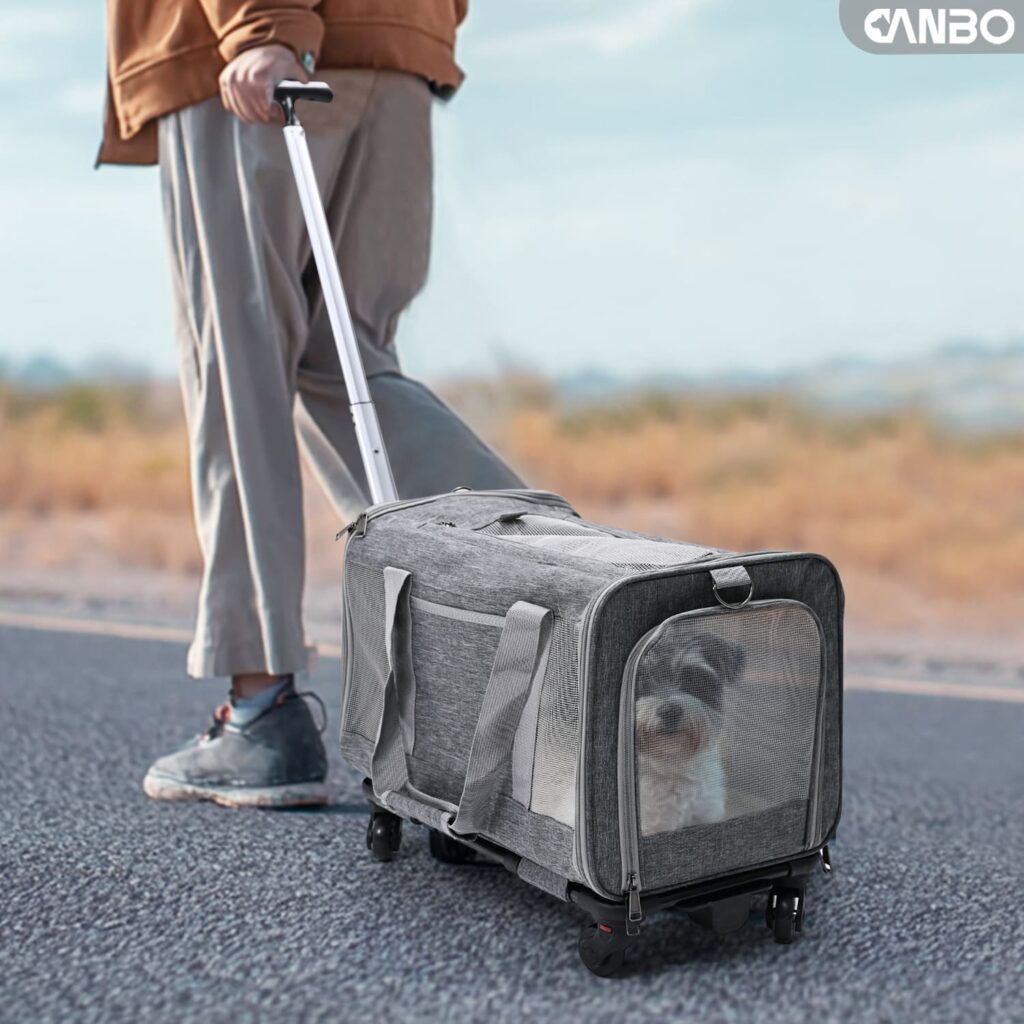
تخيل سحب حاملة حيوانات أليفة على عجلات عبر ردهة فندق هادئ في الساعة 5 صباحاً للحاق برحلة مبكرة. فمع العجلات البلاستيكية الصلبة، ستشعر في كل منعطف وكأنك تطحن حبوب الفلفل. سيؤدي ذلك إلى إجهاد أعصاب حيوانك الأليف وإيقاظ الضيوف الآخرين ويجعلك تشعر بأنك مصدر إزعاج. والأسوأ من ذلك، على الأسطح المبللة، سوف ينزلق البلاستيك الصلب على الأسطح المبللة، مما يوفر لك تحكماً صفرياً في الجر. ومع ذلك، فإن البلاستيك الصلب رخيص بلا شك. بالنسبة لحاملة كلاب صغيرة بعجلات $29.99، هذا غالبًا ما ستحصل عليه.
منظور B2B: ما يحتاج خبراء التوريد إلى معرفته
تعتبر العجلات البلاستيكية الصلبة عائقاً. فهي تتآكل بشكل غير متساوٍ، مما يخلق بقعًا مسطحة ويحول ما يجب أن يكون حاملًا أنيقًا وقابلًا للسحب إلى قيادة وعرة ومتعرجة. بالنسبة للمشترين من النوع B-end، يُترجم ذلك مباشرةً إلى مراجعات سلبية مثل “صاخبة” و“صعبة التعامل معها”. وعلى النقيض من ذلك، فإن المطاط عالي الكثافة والهادئ (عادةً ما يكون مطاطاً مطعماً بـ TPE أو مطاطاً مطعماً بالبولي يوريثان) يمتص الاهتزازات ويزيل الضوضاء.
عند تقييم أفضل موردي حاملة الحيوانات الأليفة ذات العجلات، لا تسأل فقط عما إذا كانت العجلات مصنوعة من المطاط. اسأل عن قيمة صلابة الشاطئ. أنت بحاجة إلى مادة ناعمة بما يكفي لتظل هادئة بينما تكون كثيفة بما يكفي لعدم التقشر بعد 10 كيلومترات من القيادة على الخرسانة. بالنسبة لمشتري حاملات الحيوانات الأليفة المعتمدة من شركات الطيران المزودة بعجلات، فإن المطاط الهادئ شرط غير قابل للتفاوض. فمسافرو شركات الطيران قلقون بالفعل بما فيه الكفاية؛ يمكن أن تتحول حاملة الحيوانات الأليفة المزعجة على الفور إلى كابوس سفر. نصيحة للمصادر؟ اسحب عينة محملة بالكامل عبر الخرسانة الخشنة. إذا كان صوتها يشبه صوت لوح التزلج، فغيّر الموردين.
رؤى المستهلكين: اختبار السوبر ماركت
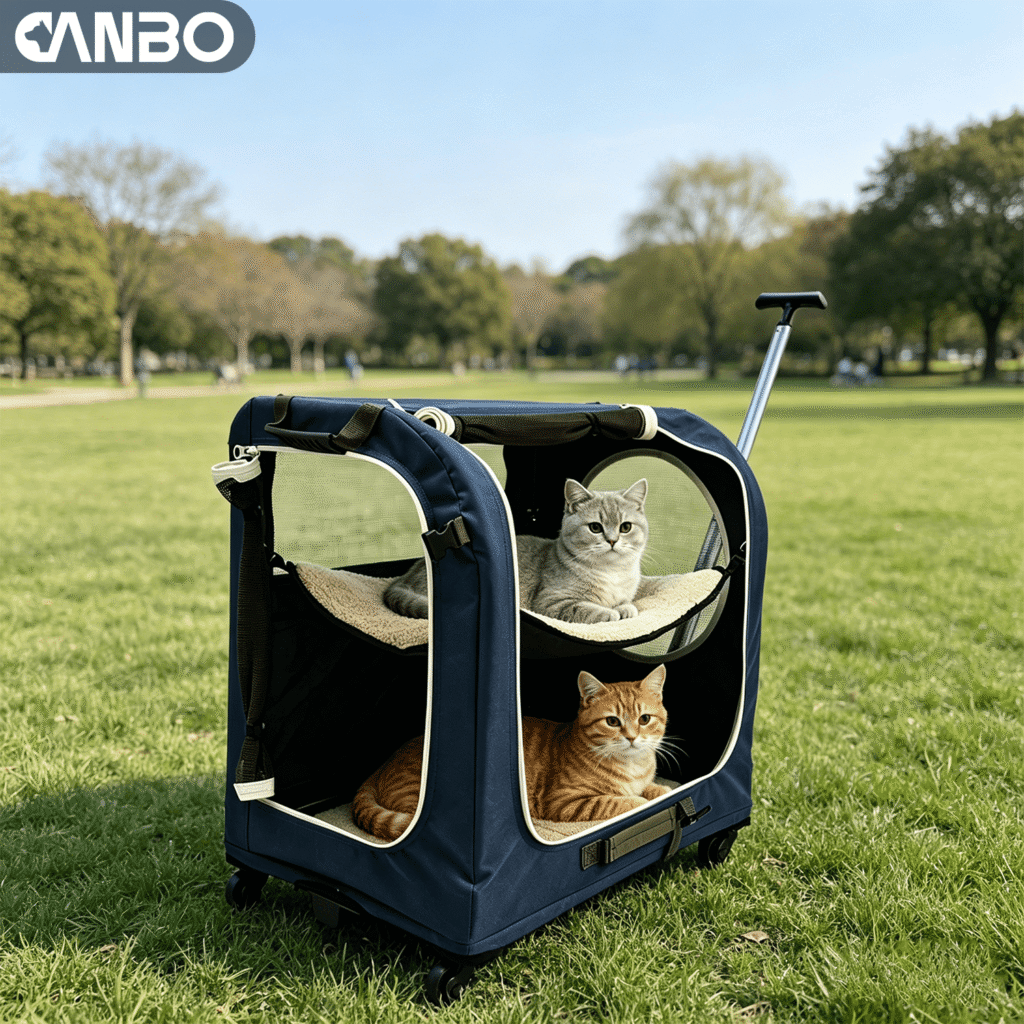
يتنقل صاحب حيوان أليف في ممر متجر بقالة مع حامل قطط بعجلات. فهي تحتاج إلى الدوران 90 درجة دون أن تنغلق العجلات الأمامية. تستخدم موديلات حاملة الحيوانات الأليفة ذات العجلات الرخيصة محامل دوارة منخفضة الجودة “تلتصق” عند تغيير الاتجاه. فيقوم المالك بهز المقبض، فيميل الحامل بشكل خطير، وتصاب القطة بالداخل بالذعر. إنه أحد أكثر أسباب الإرجاع شيوعًا لمنتجات حاملة الحيوانات الأليفة ذات العجلات الدوارة التي لا يتحدث عنها أحد علنًا.
ذكاء الموردين: اختبار الكرة الفولاذية المخفية
“الدوارة” ليست سحرية؛ فهي عبارة عن حلقة من الكرات الفولاذية داخل مجرى العجلات. في التصاميم المقلدة الكاملة، تكون القناة مجرد لوحة احتكاك. إنها تدور بشكل مثالي في فيديو صالة العرض ولكنها تصبح كابوساً بمجرد دخول الأوساخ أو شعر الحيوانات الأليفة أو القليل من الرطوبة إلى الآلية.
كشركة مصنعة لحاملات الحيوانات الأليفة، نصنف الرؤوس الدوارة إلى ثلاثة مستويات: دوارة كاملة من الفولاذ الحامل للكرات ودوارة معدنية أحادية الصف ودوارة احتكاك بلاستيكية على بلاستيك. فقط الرؤوس الدوارة الحاملة للكرات الفولاذية الكاملة هي التي تتحمل الدوران المتكرر بزاوية 180 درجة أثناء حمل كلب يزن 30 رطلاً. بالنسبة لأي شخص يبحث عن حامل كلاب كبير مزود بعجلات، هذا هو الفرق بين المنتج الذي يبدو “ممتازًا” والمنتج الذي يبدو “متهالكًا”. يجب أن تنص ورقة مواصفات طلبك بالجملة صراحةً على “آلية دوارة كاملة ذات محمل كروي فولاذي”. ب-تأكد شفهيًا من أن القناة الدوارة محكمة الغلق لإبعاد الحطام. الدوارة غير محكمة الغلق هي عودة مستقبلية.
فجوة تجربة المستخدم
اليوم الأول: قفص الكلاب المتنقل المزود بعجلات يتدحرج كالحلم.
اليوم 60: صفير وتذبذب وسحب مستمر إلى اليسار.
هذا التدهور هو في الغالب فشل في المحمل. لا يعرف المستهلكون ما هو المحمل. إنهم يعلمون فقط أن حاملة كلابهم ذات العجلات تبدو “معطلة”. بالنسبة للبائع، هذا هو رد المبالغ المدفوعة الذي ينتظر حدوثه.
الغوص المتعمق في المحامل B2B
يوجد داخل كل محور عجلة محمل. الخيار الأرخص هو محمل الأكمام - وهو في الأساس أنبوب معدني يحتك بالمحور. مع الوزن والاحتكاك، تجف هذه المحامل وتتسع وتخلق تذبذباً يؤدي في النهاية إلى تمزق محور العجلة البلاستيكي.
إذا كنت موزعًا يتطلع إلى شراء حاملة كلاب كبيرة جدًا بعجلات قادرة على حمل كلب هاسكي أو كلب بولدوغ، فإن المحامل ذات الأكمام تعد انتحارًا تجاريًا. يجب أن تصر على المحامل الكروية المختومة ABEC-5 أو ABEC-7. تستخدم هذه الكرات الفولاذية الدقيقة التي توزع الوزن بالتساوي. وإليك نصيحة من المصنع لفحص حاملة حيوانات أليفة من OEM مع مورد العجلات: ضع كيس وزن 50 رطلاً داخل الحاملة ودحرجه لمدة 30 دقيقة متواصلة على أرضية المصنع. ثم ارفعها على الفور وقم بتدوير كل عجلة باليد. إذا شعرت بالخشونة أو الحبيبات أو سمعت صوت طقطقة، فإن هذه المحامل تفشل في اختبار العمر الافتراضي المتسارع. هذا ليس منتجًا جاهزًا لسياسة الإرجاع الخاصة بأمازون؛ هذا منتج متجه إلى تخفيضات التخليص في المستودعات.
العالم الحقيقي للمستهلكين مقابل صالات العرض:
فالمطارات بها منحدرات، وجوانب الطرق بها مطبات، والشقق بها عتبات أبواب. يمكن أن يزيد وزن حاملة الحيوانات الأليفة على عجلات للكلاب الكبيرة عن 30 رطلاً عند تحميلها بالكامل. إذا كان قطر العجلة صغيرًا جدًا (تخيل عجلات التزلج على الجليد)، فسوف تتوقف حاملة الحيوانات الأليفة تمامًا عند كل عتبة باب. سيتعين على المالك السحب والجذب - ليست مشكلة بالنسبة للشباب النشطين، ولكن بالنسبة لمالك الحيوانات الأليفة الأكبر سنًا، فإن حمل حاملة حيوانات أليفة كبيرة على عجلات يمثل خطرًا حقيقيًا على الصحة.
هناك أيضًا مشكلة هندسة قاعدة العجلات. تحتوي العديد من حاملات القطط المزدوجة ذات العجلات على مسافات ضيقة جدًا بين العجلات الخلفية، مما يتسبب في إمالة الحامل بالكامل إلى الخلف عند تسلق التلال. عندما تتلقى عينة من منتج معتمد من شركة طيران حاملة للحيوانات الأليفة المتداولة، لا تدفعها فقط على أرضية ناعمة. ابحث عن خطوة. املأه حتى 70% من سعته الاسمية وقم بإمالته للخلف واسحبه لأعلى الدرجة. هل تشعر أنها متوازنة، أم أنها تحاول الالتواء إلى جانب واحد؟ إن قوة الالتواء هذه هي إجهاد هيكلي، وهي تتدفق على كامل المسار إلى مفصل القضيب التلسكوبي - ثاني أكثر نقاط الكسر شيوعاً بعد العجلات. هذا الاختبار العملي هو ما يميز حاملات الحيوانات الأليفة بالجملة عن شركاء تطوير المنتجات الحقيقية.
لقد استعرضت أربعة مخاطر محتملة. والآن، بصفتك صانع قرار الشراء - سواء كنت من أصحاب العلامات التجارية في أمازون FBA، أو مشترٍ من سلسلة متاجر كبرى أو رائد أعمال في مجال حاملات الحيوانات الأليفة ذات العلامات التجارية الخاصة - كيف يمكنك تطبيق هذه المعرفة لحماية أرباحك؟
قفل الميزات لمستويات السوق المختلفة: لا تحتاج كل قائمة إلى نظام عجلات من الدرجة الأولى. يطابق المشترون الأذكياء مواصفات العجلات بدقة مع مجموعة العملاء المستهدفة:
ميسورة التكلفة (على سبيل المثال، حاملة كلاب صغيرة قابلة للطي مزودة بعجلات للاستخدام غير المتكرر): حواف بلاستيكية مغطاة بـ TPE، وعجلات دوارة ذات صف واحد محمل كروي. مناسبة لحاملات الحيوانات الأليفة بسعة حمولة إجمالية أقل من 15 رطلاً.
متوسطة المدى (على سبيل المثال، حاملة حيوانات أليفة ناعمة الجوانب مزودة بعجلات للسفر العادي بالسيارة): عجلات دوارة أمامية مزودة بمحامل فولاذية محكمة الغلق بالكامل، وقلب داخلي من البولي بروبيلين المغلف بالمطاط الصامت، وقطر العجلة 3 بوصة.
الموديلات الراقية (على سبيل المثال، حاملات الكلاب الكبيرة المعتمدة من شركات الطيران المزودة بعجلات للمسافرين الدائمين): محامل ABEC-7 من الفولاذ المقاوم للصدأ مزدوجة الإغلاق، وتصميم مزدوج للعجلات الخلفية للتعامل مع نزول السلالم، وإطارات TPR فائقة الهدوء مقاس 4 بوصات، ومفاصل عالمية ذات محامل معدنية معززة. هذه هي أنواع المواصفات التي من شأنها أن تستدعي مراجعة “هذا أفضل شيء اشتريته في حياتي”.
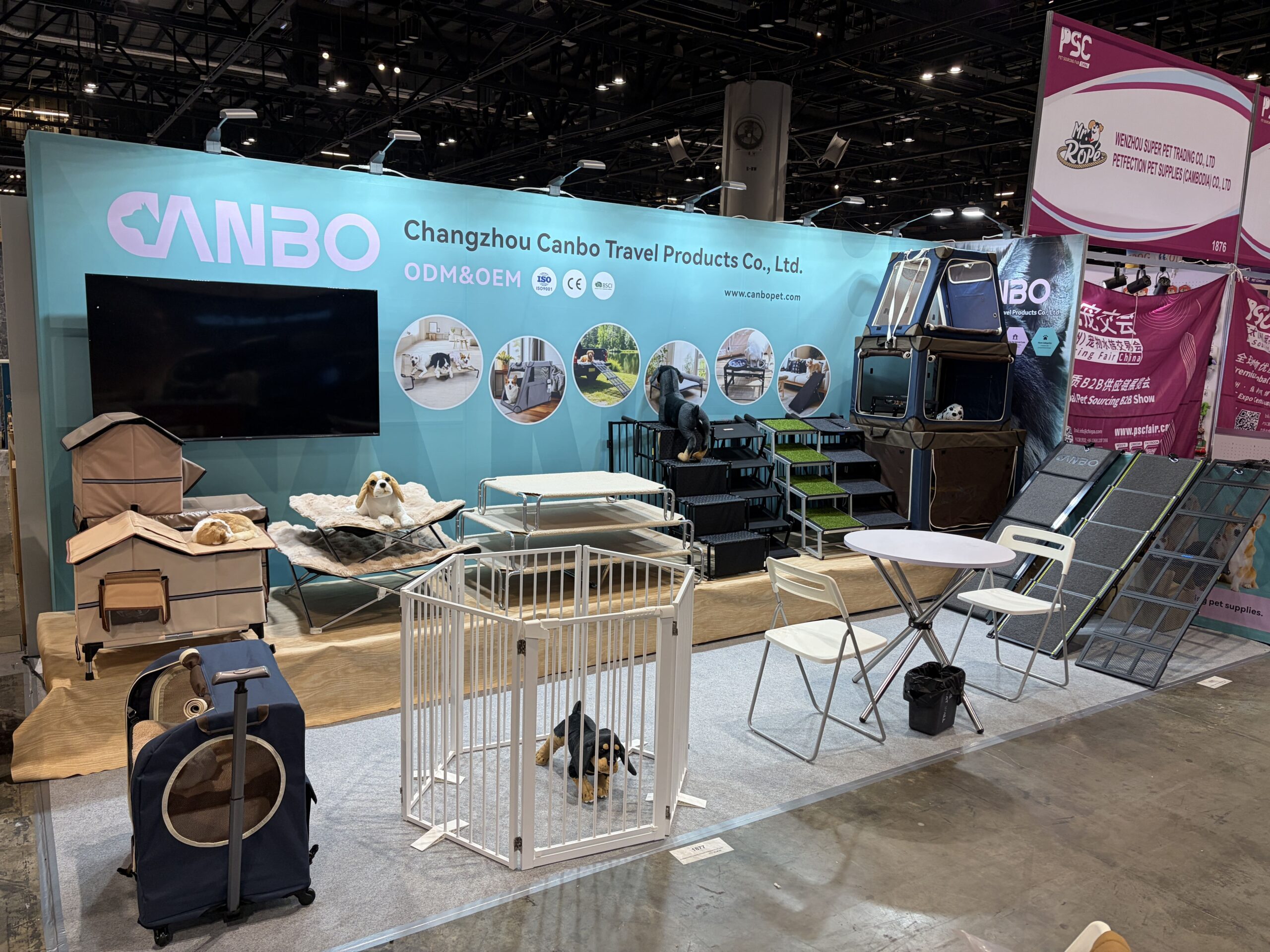
في شركة Changzhou Canbo Travel Products Co., Ltd.، نحن لا نصمم الحقيبة أولاً ثم نضيف العجلات بعد ذلك. نحن نصمم نظام التنقل أولاً. تحدد هذه الفلسفة حاملة الحيوانات الأليفة ذات العجلات التي نقوم بتصنيعها في مصنعنا الذي تبلغ مساحته 20,000 متر مربع.
نحن نمتلك براءات اختراع على تصميم هذا الهيكل القابل للتنقل بالدفع والسحب - يغطي براءات اختراع التصميم في الولايات المتحدة والاتحاد الأوروبي - لذا يمكن للعلامات التجارية التي تتعاون معنا في مشروع حامل الحيوانات الأليفة بعجلات أو مشروع حامل الحيوانات الأليفة بعجلات ODM أن تبيع بثقة، مع العلم أن نظام العجلات ليس تقليدًا عامًا. نحن نقدم ترخيص براءات الاختراع، مما يسمح لك بممارسة الحصرية وحماية العلامة التجارية داخل منطقة التوزيع الخاصة بك. إلى جانب شهادتي BSCI وISO 9001:2015 الخاصة بنا، فأنت لا تقوم فقط بتقديم طلب شراء. أنت تقوم بسد فجوة في سلسلة التوريد مع شركة مصدرة لحاملات الحيوانات الأليفة تتعامل مع هندسة التنقل كتخصص أساسي، وليس مجرد فكرة ثانوية.
في سوق السفر للحيوانات الأليفة، تحدد العجلات ما إذا كان المنتج سيصبح رفيقًا موثوقًا في السفر أو تقييمًا بنجمة واحدة ينتقده المستهلكون العالقون في صالات المطار. تفحص بعناية مواصفات المورد الخاص بك. إذا كان قسم العجلات عبارة عن قائمة من ثلاثة أسطر فقط، فابحث عن شريك يمكنه التحدث معك لمدة ساعة حول المحامل وصلابة الشاطئ والألواح الدوارة محكمة الغلق. سوف يشكرك معدل الإرجاع الخاص بك.