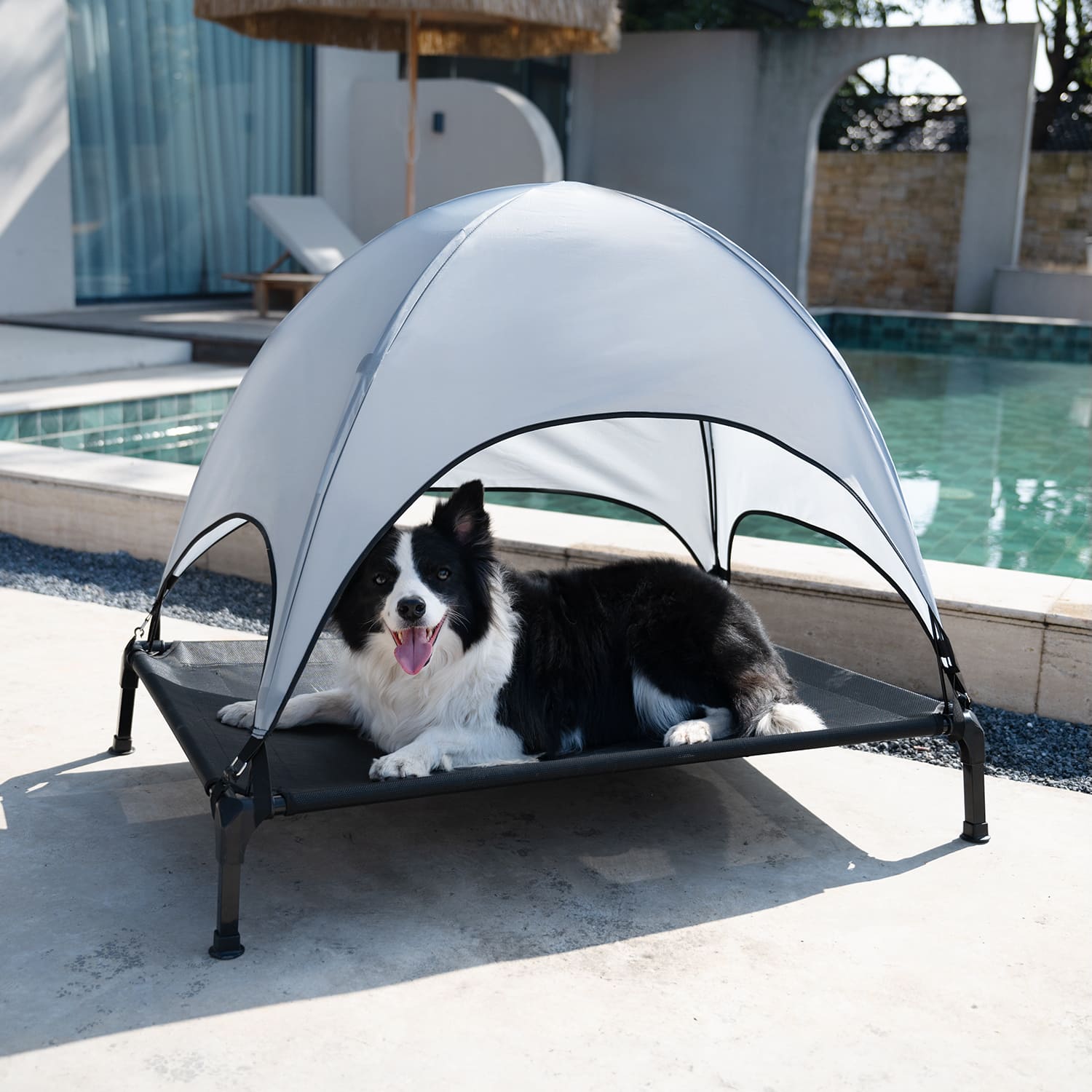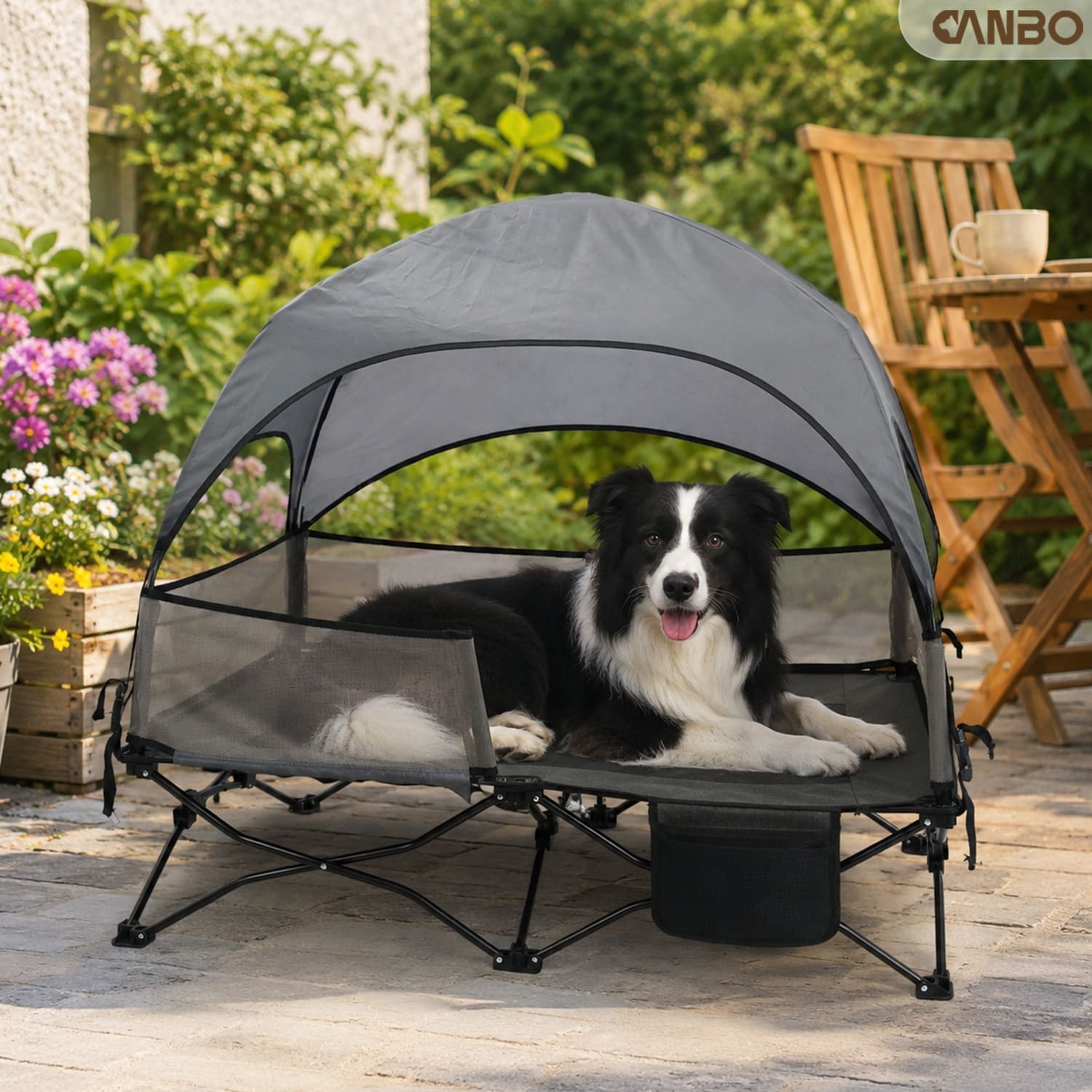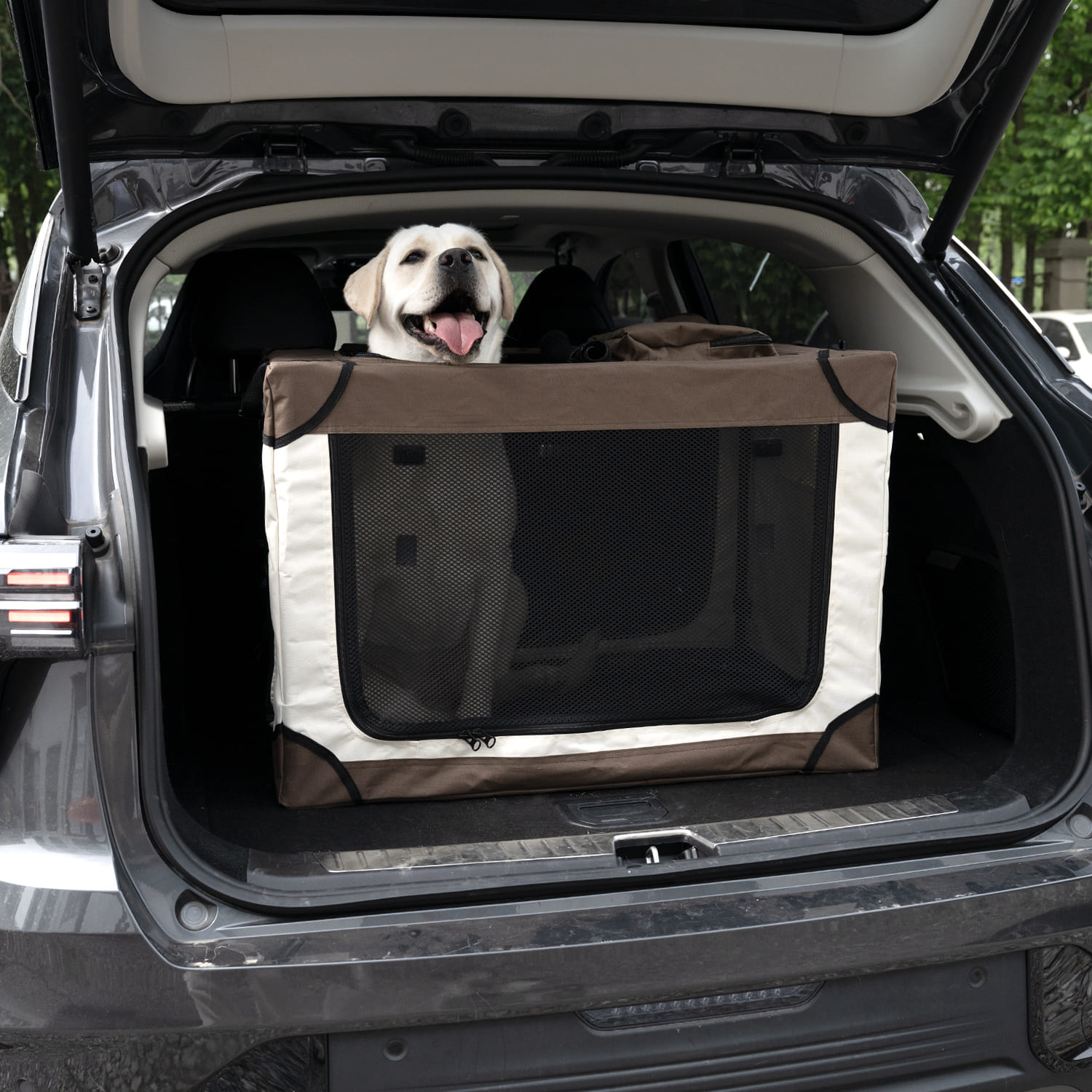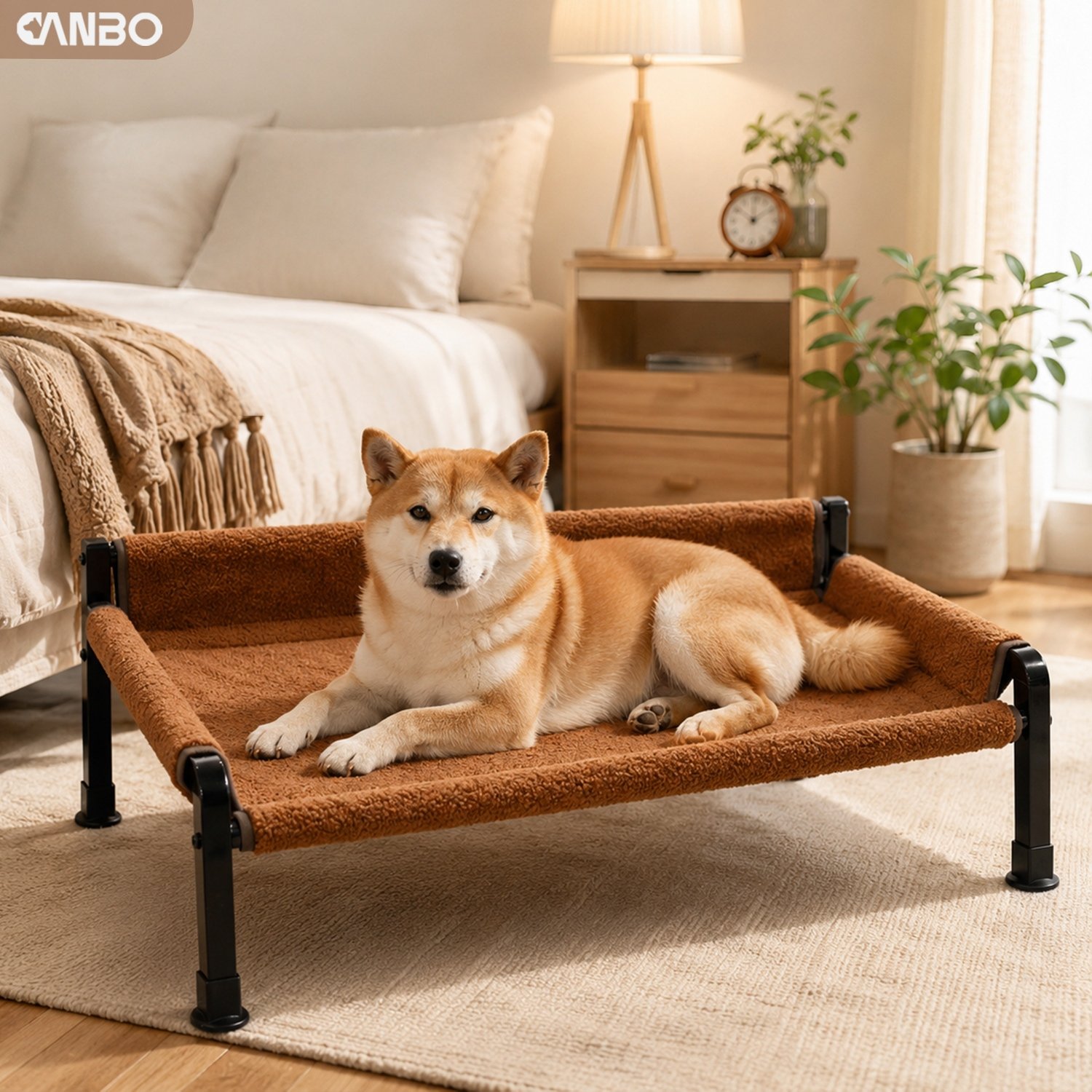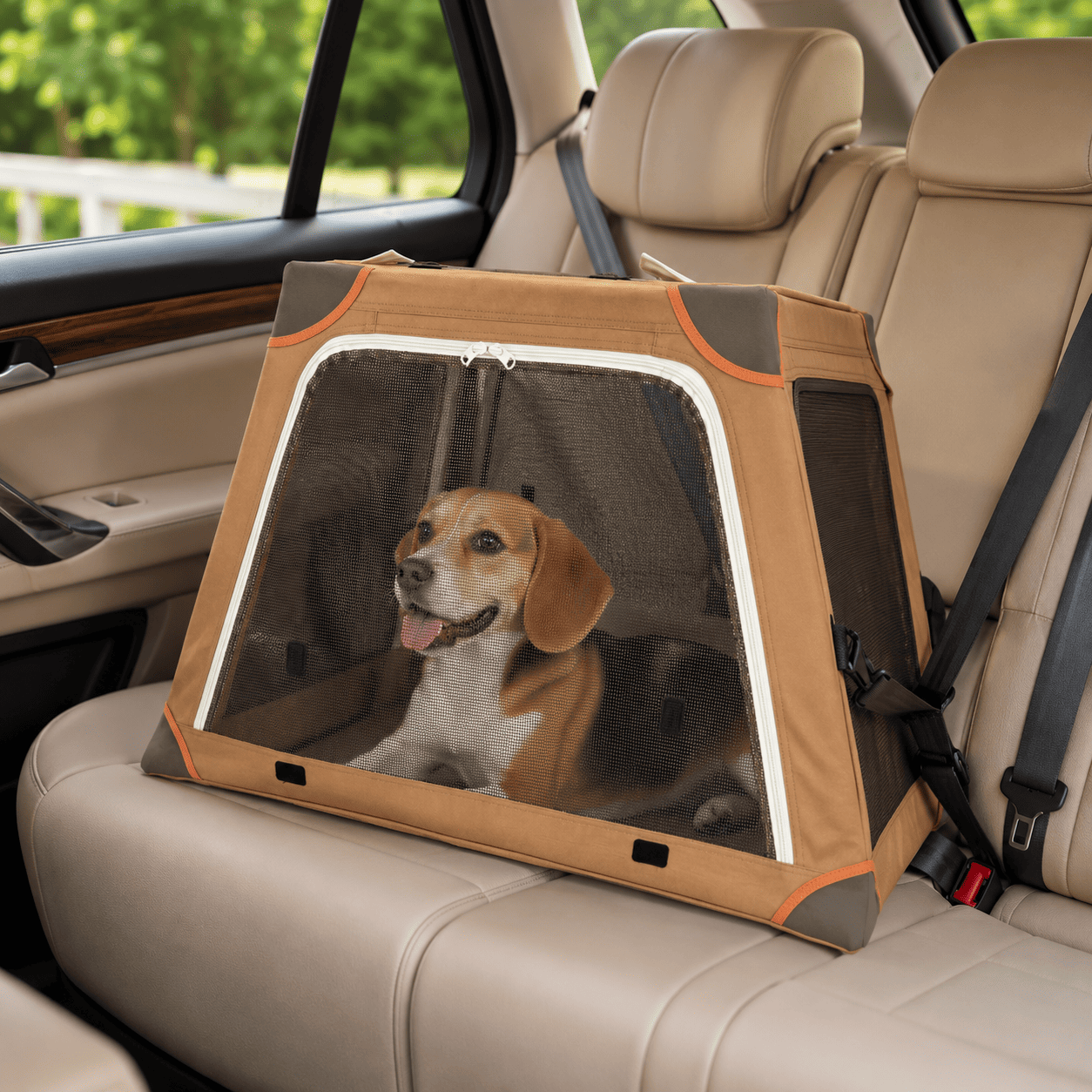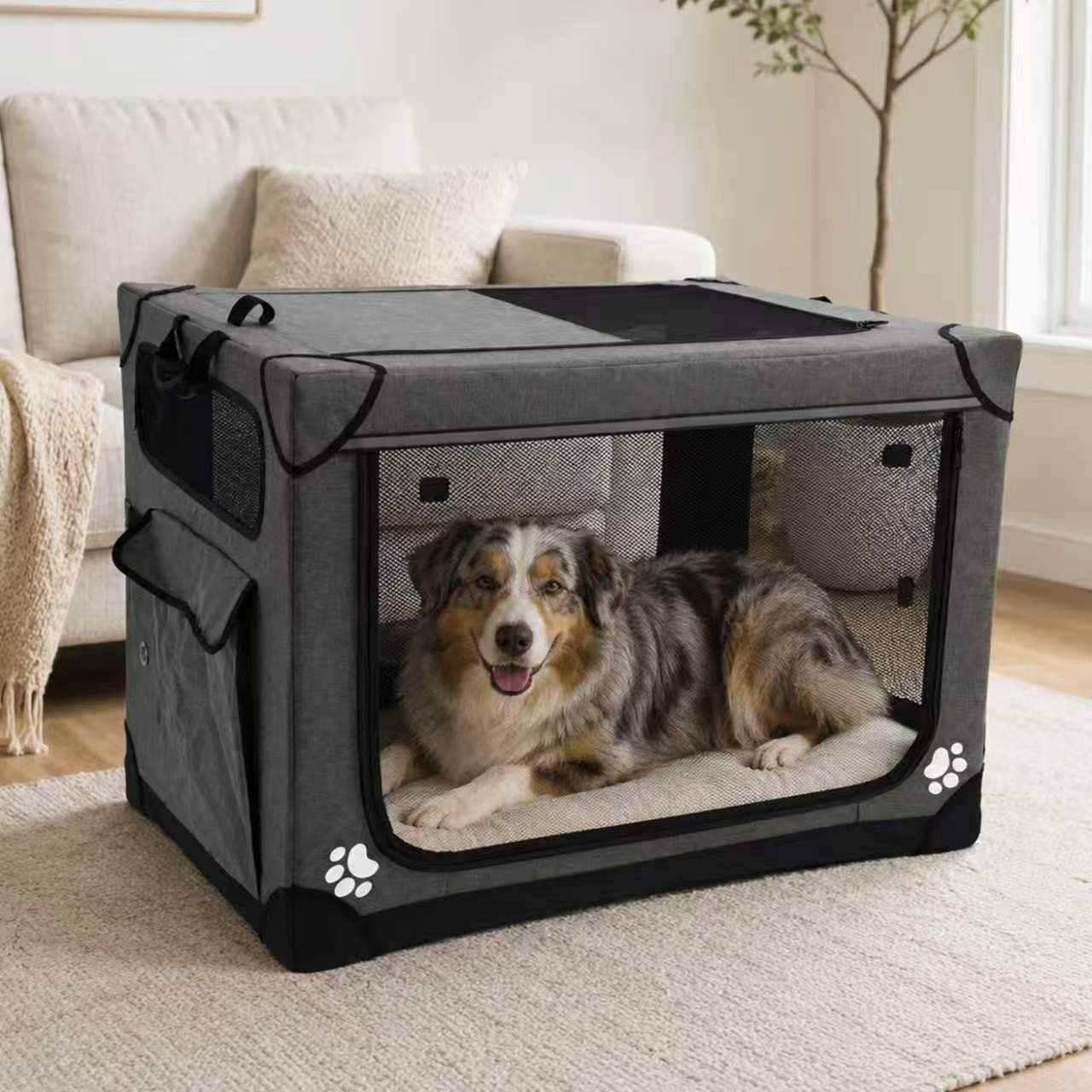

Immaginate questo: un proprietario di un animale domestico acquista con entusiasmo le scale per cani per il letto, per poi scoprire dopo due mesi che la porta dell'auto è graffiata, il pavimento è segnato e le scale sono scivolose, spaventando il cane e facendolo ululare - e qual è la prima cosa che fa? Scattare foto, scrivere una recensione negativa e chiedere un rimborso e un risarcimento al venditore. Quindi, la bontà di un gradino per cani o di un gradino per cani non dipende dal numero di caratteristiche elencate, ma dalla capacità di prevenire questi “problemi nascosti”. Oggi parleremo di tre piccole caratteristiche di design - struttura integrata, modanatura antiscivolo e corrimano antigraffio - che eliminano efficacemente quattro dei problemi più comuni dei gradini per letti per cani. Dopo aver letto questo articolo, capirete perché questi dettagli sono un milione di volte più importanti del prezzo quando si scelgono i prodotti per i clienti di fascia B.
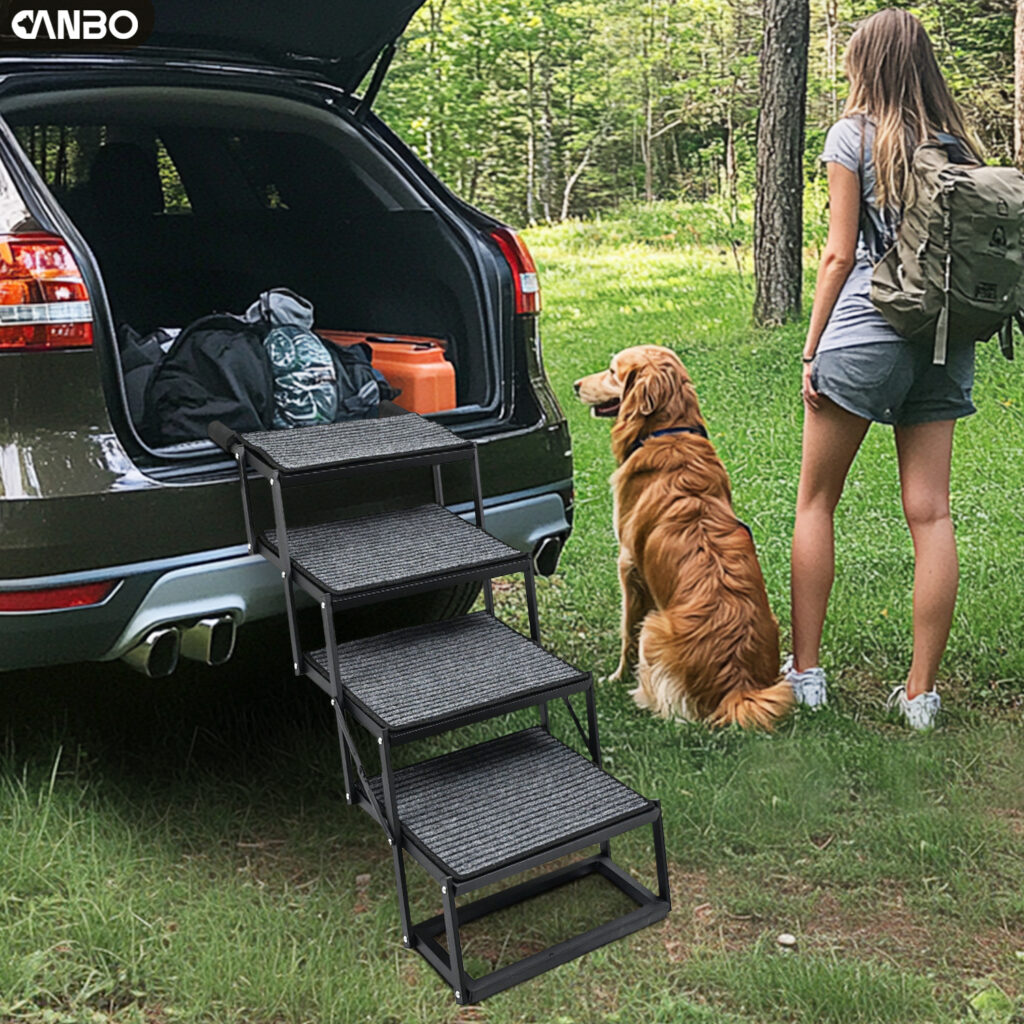
È una situazione fin troppo comune. Un cliente acquista una scala per cani per l'auto o una rampa per cani per il letto, con l'intenzione di aiutare il proprio cane a salire e scendere facilmente dall'auto o dal letto. Ma dopo una settimana trova l'interno della portiera dell'auto coperto di piccoli graffi bianchi e il pavimento in legno con segni che sembrano graffi di gatto. La restituiranno? Non solo la restituiranno, ma vorranno anche che il venditore rimborsi loro le spese di riparazione. Perché? Perché molte scale hanno maniglie o telai in plastica dura o metallo nudo. Un cane che si schiaccia o si strofina contro di esse, o anche solo un tocco casuale quando la si mette o la si toglie, si graffia come carta vetrata. I proprietari che temono di danneggiare la vernice dell'auto si arrabbiano.
In realtà, questo tipo di incidenti può essere risolto con due semplici accorgimenti: Rivestimento della maniglia in EVA + strisce antigraffio. Che cos'è l'EVA? È una schiuma morbida e leggermente elastica. Avvolgendo l'intera impugnatura con questa schiuma, il telaio duro si trasforma istantaneamente in una struttura morbida e soffice. La sua durezza è molto inferiore a quella della vernice per auto, quindi, per quanto si possa strofinare, non lascerà segni. Quindi, applicate uno strato di strisce antigraffio sul fondo e sui lati delle scale e su tutte le aree che entrano in contatto con la soglia della porta o il pavimento. Anche se si graffia, sostituirlo costa solo pochi centesimi, il che è un milione di volte più economico che portarlo in un negozio 4S per la lucidatura. Pensateci: se il vostro Pet Steps eliminasse i “reclami per graffi” alla fonte, non ricevereste la metà delle chiamate post-vendita?
Vi racconto un'altra storia che può traumatizzare un cane. Un cliente ha acquistato dei gradini per cani per un letto alto o delle scale per cani di grossa taglia. Il loro Golden Retriever o Labrador vi salì felicemente, ma nel momento in cui le zampe anteriori toccarono il secondo gradino, l'intera scala “sbalzò” in avanti. Il cane è caduto sulla schiena, ululando di dolore. Se è fortunato, potrebbe essere solo spaventato; se è sfortunato, potrebbe subire uno stiramento dei legamenti o un problema all'articolazione dell'anca. Inoltre, una volta scivolato, il cane se ne ricorda e da quel momento in poi eviterà le scale, rendendo il prodotto essenzialmente uno spreco di denaro.
Perché scivola? Per due motivi. In primo luogo, i gradini sono troppo scivolosi; le zampe del cane non riescono ad afferrarli, soprattutto se si tratta di superfici lisce, in plastica dura o in peluche a pelo corto, che hanno un coefficiente di attrito terribilmente basso. In secondo luogo, la parte inferiore della scala è priva di design antiscivolo; il suo stesso peso non è in grado di sopportare la forza orizzontale di un cane di decine di chilogrammi che sale verso l'alto.
In che modo il nostro progetto affronta questo problema? Resina epossidica antiscivolo + cuscinetti antiscivolo sui piedi della scala: una doppia protezione. Lo stampaggio a goccia antiscivolo prevede la creazione di una fitta rete di punti antiscivolo in TPR (Total Resin) nelle aree di maggiore sollecitazione di ciascun gradino, mediante un processo di stampaggio a goccia. Questo materiale non è scivoloso nemmeno quando è bagnato; anzi, un po' di sudore sulle zampe del cane lo fa aderire ancora meglio. Negli angoli inferiori vengono poi installati dei cuscinetti antiscivolo ad alta viscosità. In questo modo, il cane non traballa quando si gira nel punto più alto. Che si tratti di gradini pieghevoli per cani o di una rampa per cani per il divano, se le misure antiscivolo sono state adottate, gli utenti non dovranno mai più preoccuparsi che la scala scivoli via.
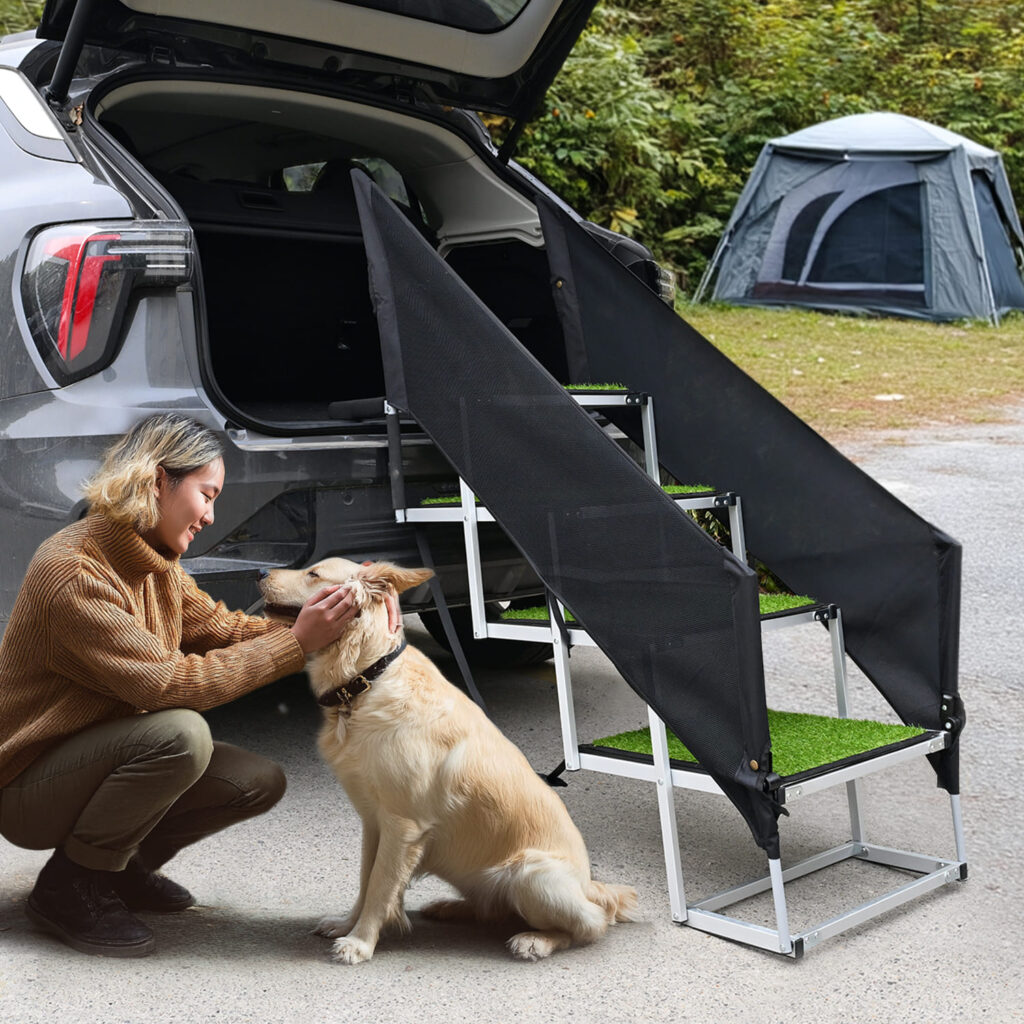
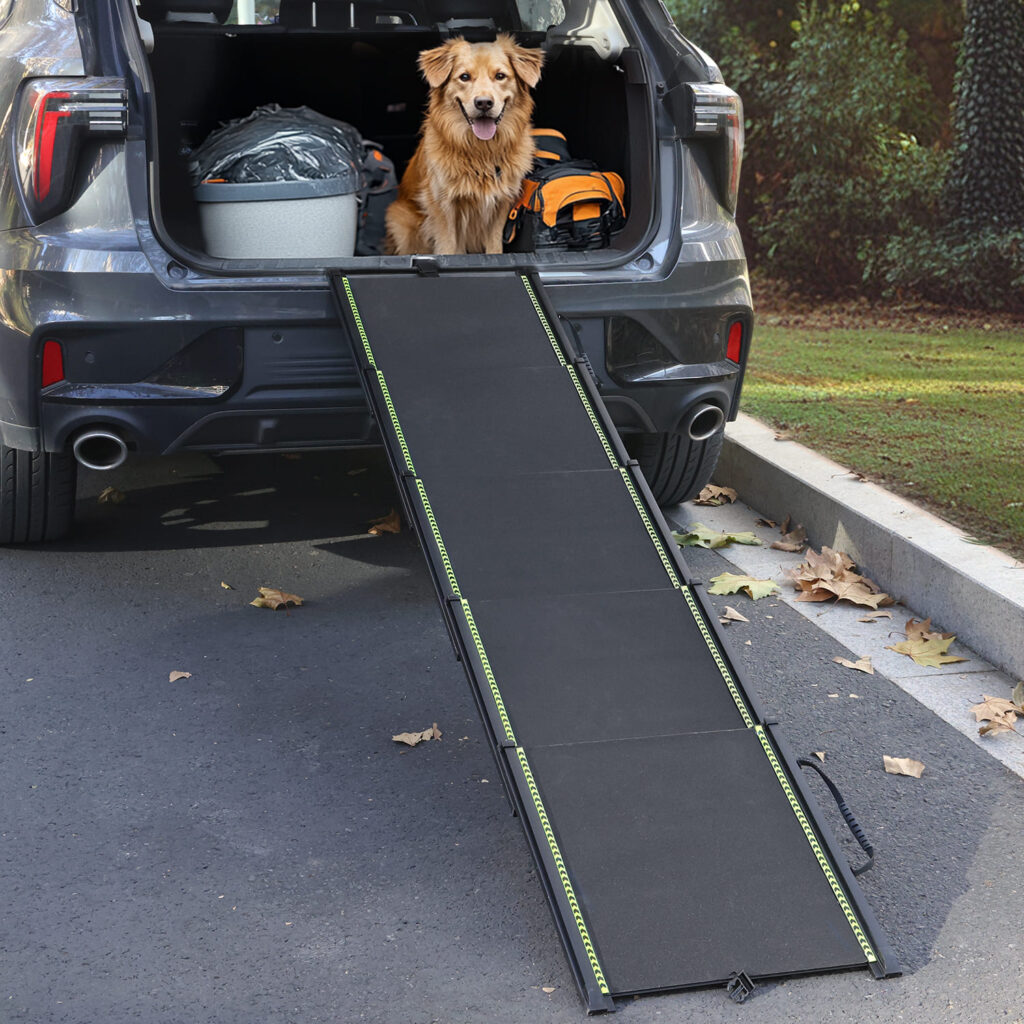
C'è una trappola comune: “il vero colore appare dopo sei mesi”. Quando i clienti ricevono per la prima volta i vostri gradini per animali domestici o i gradini per cani di grossa taglia, pensano che siano robusti. Ma dopo cinque o sei mesi le viti iniziano ad allentarsi, la scala traballa e scricchiola. Un giorno, “snap!”, i giunti pieghevoli si staccano, i gradini si spostano e la zampa del cane rimane incastrata tra due tavole: sembra doloroso.
Dove risiedeva il problema? Molte scale utilizzano un metodo di assemblaggio con più viti e più giunti pieghevoli. Le viti metalliche sono avvitate in montanti di plastica o in sottili tavole di legno. Con il cane che sale e scende più volte al giorno, i punti di connessione si consumano lentamente a causa delle ripetute micro-vibrazioni. Più le viti oscillano, più si allentano e più le fessure diventano grandi: questa è la cosiddetta “legge dell'allentamento inevitabile”, non una questione di probabilità.
Come si risolve questo problema? La chiave è una struttura in un unico pezzo. Utilizziamo stampi a iniezione ad alta resistenza o pannelli a nido d'ape in un unico pezzo per ridurre al minimo i “punti di avvitamento”. Nei punti in cui sono necessari i collegamenti, inseriamo preventivamente dadi metallici e applichiamo un adesivo antiallentamento, invece di inserire direttamente viti autofilettanti nella plastica. Fate un esperimento comparativo: un prototipo con più viti inizia a traballare dopo essere stato calpestato qualche centinaio di volte, mentre un prototipo unibody rimane perfettamente immobile dopo essere stato calpestato migliaia di volte. Che si tratti di scale per cani per un letto o di una rampa per cani di grossa taglia, la vera abilità sta nel non traballare dopo sei mesi. Per i marchi, questo significa un netto calo dei tassi di restituzione e un'impennata del passaparola positivo.
Quest'ultimo problema è piuttosto sottile e molti marchi non ne sono consapevoli. I clienti con cani a pelo lungo, come gli Alaskan Malamutes, i Samoiedi e i Corgis, dopo aver utilizzato per un certo periodo le scale per cani di piccola taglia o i gradini per cani di grossa taglia, si accorgono che i loro cani esitano e sono riluttanti a scendere le scale, a volte persino piagnucolando. Una visita dal veterinario rivela arrossamenti e gonfiori tra le dita dei piedi, follicolite e, in alcuni casi, persino contusioni dei tessuti molli sulle zampe. Perché? Le cause sono due.
In primo luogo, i capelli si impigliano nelle giunture dei gradini. Molte scale sono costituite da diversi pezzi di spugna o di legno messi insieme, lasciando inevitabilmente delle giunture. Ogni volta che un cane a pelo lungo sale su questi gradini, i peli delle zampe si impigliano e vengono tirati, decine di volte al giorno: non c'è da stupirsi che facciano male! In secondo luogo, la spugna cede. Alcune scale utilizzano una spugna a bassa densità, che si appiattisce dopo due o tre mesi, lasciando la superficie irregolare e bucherellata. Una pressione irregolare sulle zampe del cane può danneggiare le sue articolazioni.
In che modo il nostro progetto evita queste due insidie? Strato intermedio di compensato + trattamento della superficie liscia. In parole povere: posizionare un unico pezzo di compensato senza giunture sotto la schiuma a memoria di forma ad alta densità: questo fornisce un solido supporto ovunque il cane passi, evitando sprofondamenti localizzati. Quindi, coprite completamente la schiuma e il compensato con un unico rivestimento in pile antiscivolo o in tessuto rimovibile e lavabile, senza lasciare spazi vuoti superiori a 2 millimetri. Sia che stiate costruendo una rampa per cani per un'auto o una rampa per cani per un divano, finché la superficie della rampa è piatta, senza giunture e fornisce un supporto uniforme, le zampe e le articolazioni dei cani a pelo lungo saranno al sicuro. Questa è vera responsabilità nei confronti del vostro animale domestico.
La struttura integrata, il rivestimento antiscivolo e i corrimano antigraffio: queste tre caratteristiche progettuali eliminano quattro grandi rischi nascosti: le richieste di risarcimento per graffi, lo scivolamento e il ribaltamento, il collasso strutturale, lo strappo dei capelli e le contusioni alle cartilagini. Non si tratta solo di aggiungere qualche riga in più alla pagina di un prodotto, ma di permettere ai marchi di dormire sonni tranquilli, senza essere svegliati nel cuore della notte dai video di reclamo dei clienti e senza dover controllare la posta elettronica per trovare un mucchio di richieste di restituzione.
Per gli acquisti B2B, che si tratti di gradini per cani per letti, scale per cani per letti alti, rampe pieghevoli per cani o gradini per cani di grossa taglia, ciò che è veramente prezioso non è solo l'aspetto e il prezzo, ma questi piccoli dettagli di design che sono “invisibili la maggior parte delle volte ma mortali in caso di incidente”. Nella scelta dei prodotti, fate altre domande: “Le scale hanno una struttura integrata? Quanto è buono il rivestimento antiscivolo? I corrimano e i bordi sono rivestiti con EVA e strisce antigraffio?”. Le risposte vi risparmieranno molti problemi.
Dopo tutto, garantire la sicurezza dei cani, la soddisfazione dei clienti e ridurre al minimo le perdite è l'essenza di un buon business.
Dopo aver discusso tanti aspetti nascosti e dettagli di progettazione, potreste pensare: Capisco i principi, ma con così tanti fornitori di scale per cani e letti sul mercato, chi prende veramente sul serio questi progetti? Non posso certo comprarli tutti e smontarli per controllarli, no?
Non preoccupatevi, vi aiuterò a delineare alcuni criteri. Se siete un venditore di e-commerce transfrontaliero, un venditore Amazon, un acquirente di supermercati o un distributore di piattaforme nazionali, i seguenti suggerimenti possono aiutarvi a filtrare rapidamente i fornitori che “copiano solo l'aspetto e non capiscono il controllo di qualità”.”
1. Controllare la struttura e la lavorazione. Chiedete: “I vostri gradini per cani per letti sono stampati in un unico pezzo o sono avvitati? Ci sono dadi metallici preincastrati nelle parti portanti?”. Una fabbrica veramente competente ve lo dirà direttamente: noi usiamo una struttura monopezzo, con adesivo antiallentamento e dadi preincastrati nei punti di connessione chiave, non viti autofilettanti che si allentano dopo due o tre mesi.
2. Verificate i dettagli antiscivolo. Chiedete di mostrarvi dei campioni di gradini pieghevoli per cani o di rampe per cani per auto, e sentite il rivestimento antiscivolo sui pedali. Una buona resina epossidica deve avere spigoli vivi e una buona elasticità, garantendo la resistenza allo scivolamento sia sull'asciutto che sul bagnato. Controllate poi i gradini: ci sono spessi cuscinetti antiscivolo? La base è sufficientemente larga?
3. Controllare la resistenza ai graffi. Grattate i corrimano e i bordi con una chiave o con l'unghia. Se lascia un segno bianco, si tratta di plastica dura e va restituito. Se la superficie è ricoperta di EVA morbida ed elastica e sul fondo sono presenti strisce antigraffio, congratulazioni, questa fabbrica sa come “rendere felici i clienti”.”
4. Controllare le certificazioni e i brevetti. I principali rivenditori (Europa, America, Giappone, Corea del Sud, Australia) e Amazon richiedono quasi sempre le certificazioni BSCI, ISO 9001 e CE. Inoltre, se le scale per cani di grossa taglia o i gradini per animali domestici per cani di grossa taglia hanno brevetti di design statunitensi o europei e possono essere concessi in licenza, non solo eviterete il rischio di violazione, ma potrete anche utilizzarlo come punto di forza nella vostra inserzione.
5. Verificare le capacità di personalizzazione. Volete un marchio privato o un marchio bianco? Avete bisogno di cambiare il tessuto (tessuto Oxford, feltro, erba artificiale, tessuto ad anello), modificare il colore, adattare le dimensioni o aggiungere corrimano e recinzioni? Una vera fabbrica vi dirà: qual è la quantità minima ordinabile, quanto dura il periodo di campionatura e potete fare OEM/ODM? Quelle fabbriche che “possono realizzare solo modelli standard, addebitano costi aggiuntivi per qualsiasi modifica e ritardano il processo” dovrebbero essere sostituite al più presto.
Ognuno di questi punti richiede un produttore con una vera linea di produzione, certificazioni, brevetti e la volontà di prestare attenzione ai dettagli. Esatto, noi siamo una fabbrica di questo tipo.
Changzhou Canbo Travel Products Co., Ltd. è una fabbrica di origine in Cina specializzata in rampe per animali domestici e prodotti da viaggio. Abbiamo 5 linee di produzione, oltre 200 dipendenti e una superficie di fabbrica di oltre 20.000 metri quadrati. Disponiamo delle certificazioni BSCI, ISO 9001 e CE e la maggior parte dei nostri prodotti detiene brevetti di design statunitensi ed europei, che possono essere legalmente concessi in licenza d'uso, rendendo le rampe per cani e le scale per cani per letti alti più competitive su Amazon e nei canali dei supermercati.
I nostri gradini per cani per letti, le rampe per cani per divani e le rampe pieghevoli per cani per auto sono tutti caratterizzati da: struttura monopezzo, resina epossidica antiscivolo, corrimano in EVA + strisce antigraffio, intercalare in compensato (altri materiali possono essere personalizzati) + superficie liscia, design pieghevole + fissaggio con moschettoni + chiusure di sicurezza e ringhiere opzionali con corrimano per aiutare i cani anziani o gli animali domestici che hanno paura delle altezze a salire e scendere in sicurezza.
Supportiamo servizi OEM/ODM, private label e white label. Possiamo personalizzare i tessuti, i colori, le dimensioni, i materiali del telaio, i modelli di stampaggio a goccia e persino cambiare il tessuto del gradino in feltro, erba artificiale o tessuto ad anello. Esportiamo tutto l'anno in Europa, America, Regno Unito, Giappone, Corea del Sud e Australia, rifornendo clienti di e-commerce transfrontalieri, venditori Amazon e supermercati. Se state cercando un fornitore di scale, potete “dormire sonni tranquilli senza essere svegliati dalle chiamate post-vendita”. Contattateci attraverso la stazione internazionale di Alibaba o il nostro sito web indipendente.