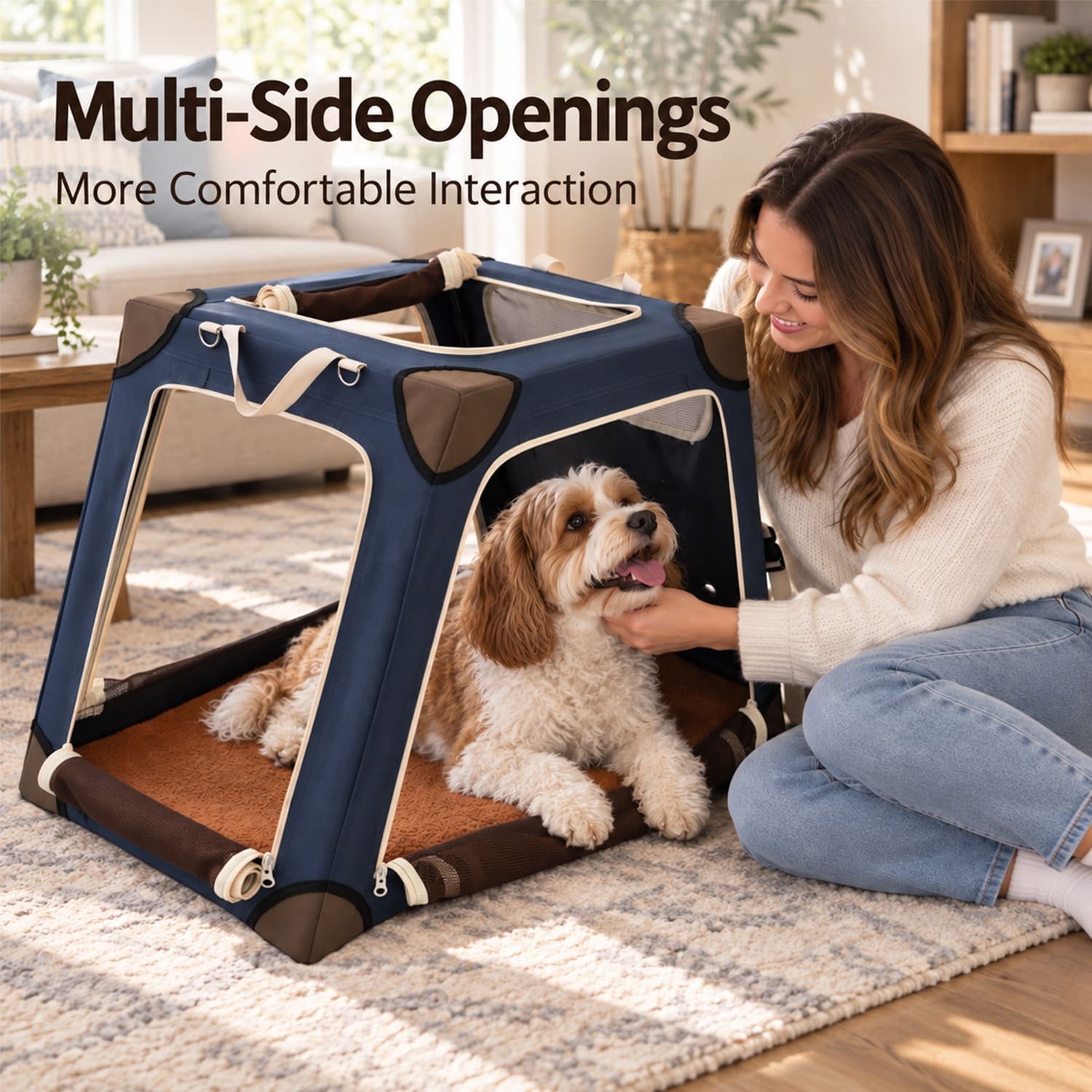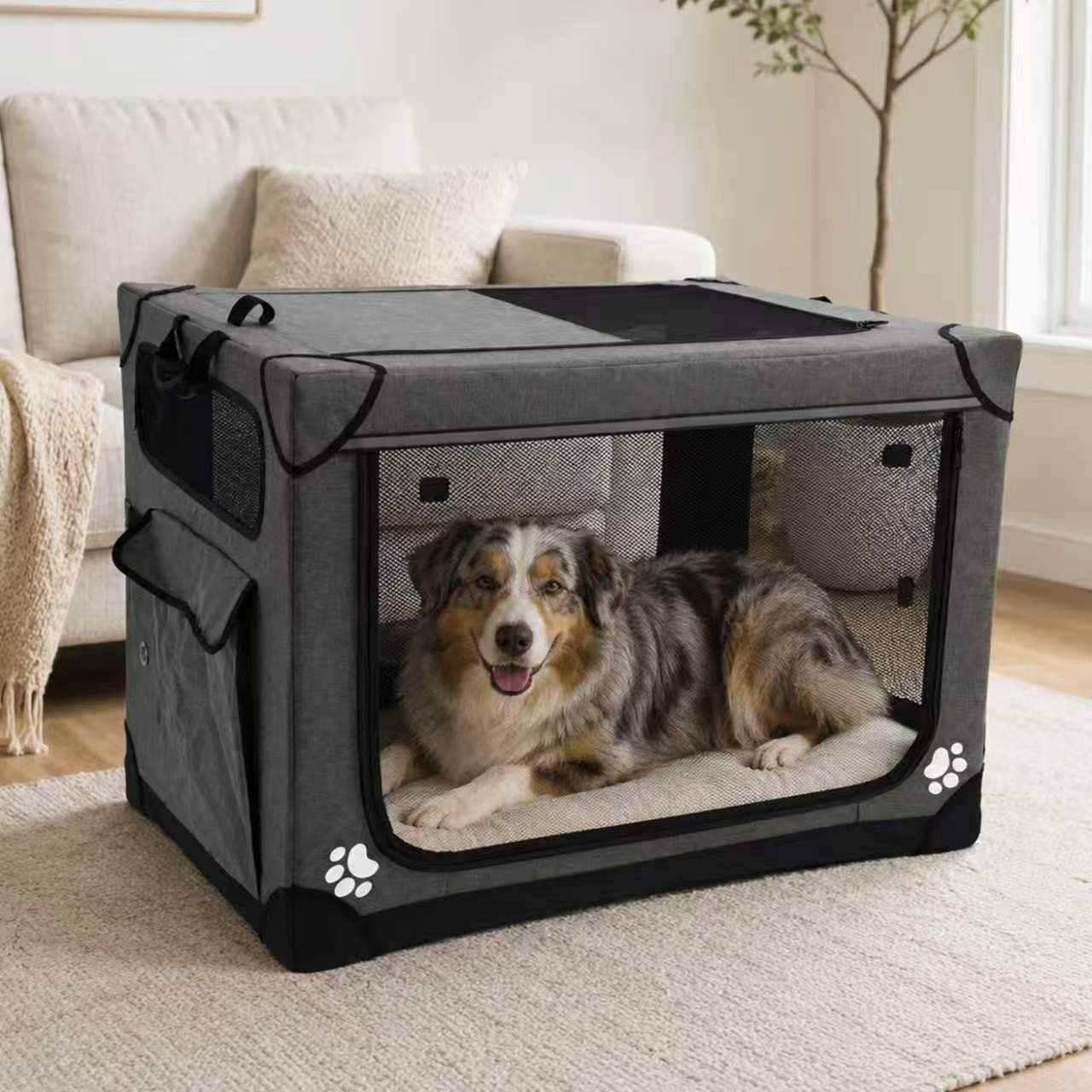

Evcil hayvan malzemeleri için ürün seçimi toplantıları sırasında, birçok satıcı genellikle tek bir soruda takılıp kalır: Katlanabilir ve yükseltilmiş köpek yataklarının tanıtımına öncelik mi vermeliyim, yoksa sabit çerçeveli modellerden stok mu yapmalıyım?
Dürüst olmak gerekirse, her iki ürün kategorisi de yüzeysel olarak aynı amaca hizmet etse de —köpeklerin uyurken yere değmemesini sağlamak— daha derinlemesine incelendiğinde, bu ürünlerin birbirinden tamamen farklı iki müşteri segmentine hitap ettiği ve bu segmentlerin satın alma motivasyonlarının da birbirinden büyük ölçüde farklı olduğu ortaya çıkıyor.
Sınır ötesi e-ticaretle uğraşan, evcil hayvan mağazası işleten veya perakende tedarik yönetimini yürütenler için gerçek profesyonellik, “hangisinin daha iyi olduğunu” belirlemeye çalışmakta değil, bu iki ürün kategorisinin aslında birbirini tamamlayıcı nitelikte olduğunu fark etmede yatmaktadır. Müşterilerinizin farklı yaşam tarzlarına uyum sağlamak için ürün yelpazenizi esnek bir şekilde düzenlemeniz gerekir.
Bugün, tartışmamızı ”taşınabilirlik” ve “evde kullanım istikrarı” adlı iki temel kavram etrafında şekillendirerek, bu ürün türlerinin her birine özgü kullanım senaryolarını, fiyatlandırma stratejilerini, montaj karmaşıklığını ve hedef kitlelerini inceleyeceğiz. Amacımız, ürün seçiminde daha pragmatik bir yaklaşım geliştirmenize yardımcı olmaktır: bu yaklaşım, belirli müşteri profillerine özel olarak tasarlanmış mükemmel bir ürün karışımını oluşturmanıza olanak tanıyacaktır. Son olarak, OEM/ODM özelleştirme ve patent lisanslama gibi konuları da ele alarak, güvenilir tedarik zinciri ortaklarının nasıl belirleneceğini tartışacağız.
-1-1024x1024.png)
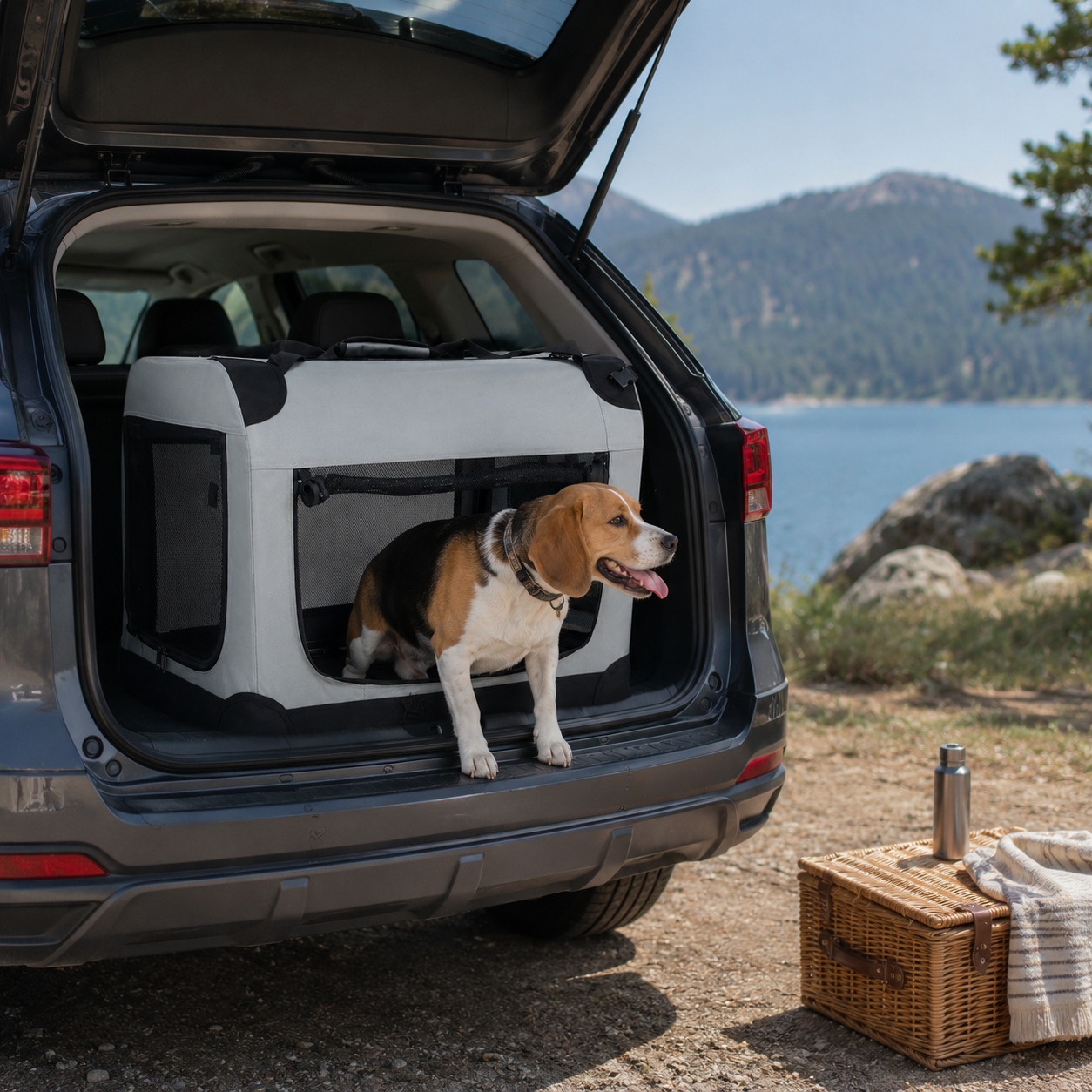
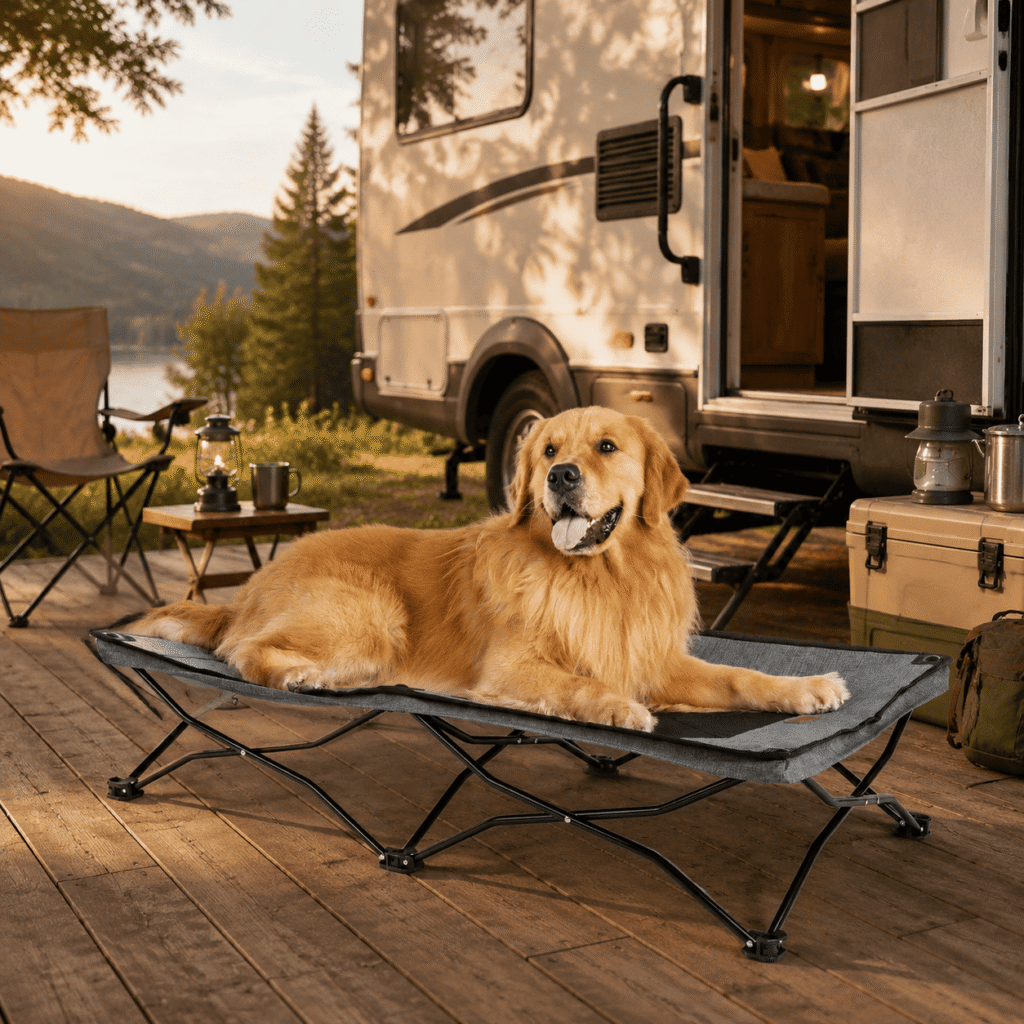
Bir düşünün: Sık sık yer değiştirmeyi gerektiren her türlü durumda — kamp, karavan gezileri, uçak yolculuğu, evcil hayvan dostu otellerde konaklama ya da açık hava kafelerini ziyaret etme — taşınabilir bir köpek yatağı neredeyse bir zorunluluktur. Bu durumlarda kullanıcının tek şartı basittir: katlanabilir olması gerekir.
Öncelikle, katlandığında az yer kaplaması ve taşınması kolay olması gerekir. Bu, satın alma kararında belirleyici faktördür. Tipik bir katlanabilir köpek yatağı, bir dakikadan kısa sürede düz ve kompakt bir yığın haline getirilebilir ve araba bagajına veya spor çantasına kolayca sığar. Evcil hayvanlarını çocukları gibi gören ve köpeklerini her yere götürmeyi seven Batılı tüketiciler için, kamp köpek yatakları ve katlanabilir seyahat yatakları artık “isteğe bağlı ekstralar” olmaktan çıkıp “standart seyahat ekipmanı” haline gelmiştir.”
İkincisi, geldiğiniz anda kullanıma hazır olması gerekir; ne kadar basit olursa o kadar iyi. Çoğu katlanabilir köpek yatağı hiçbir alet gerektirmez; sadece açmanız yeterlidir — kullanım kılavuzuna gerek yoktur. Bazı üst düzey modellerde tek elle katlama mekanizması bile bulunur — bu, köpekleriyle tek başına seyahat eden kadınlar için özellikle kullanışlı bir özelliktir. Ayrıca, birçok katlanabilir model kendi taşıma çantasıyla birlikte gelir ve taşınabilirliği en üst düzeye çıkarır.
Bir de hijyen konusu var: Yükseltilmiş file tasarımı, kir, kum ve çim kırıntılarına karşı doğal bir direnç gösterir. Ayrıca, katlanabilir modeller genellikle çıkarılabilir ve temizlenmesi kolay kılıflarla birlikte gelir; bu da onları evcil hayvan bakım tesisleri ve evcil hayvan dostu oteller için en çok tercih edilen seçenek haline getirir. Satın alma açısından bakıldığında, bu ürünler yüksek yeniden satın alma oranlarına ve geniş bir uygulama alanına sahiptir; şu anda köpek yatakları toptan satış pazarında en hızlı büyüyen alt kategorilerden birini oluşturmaktadır.
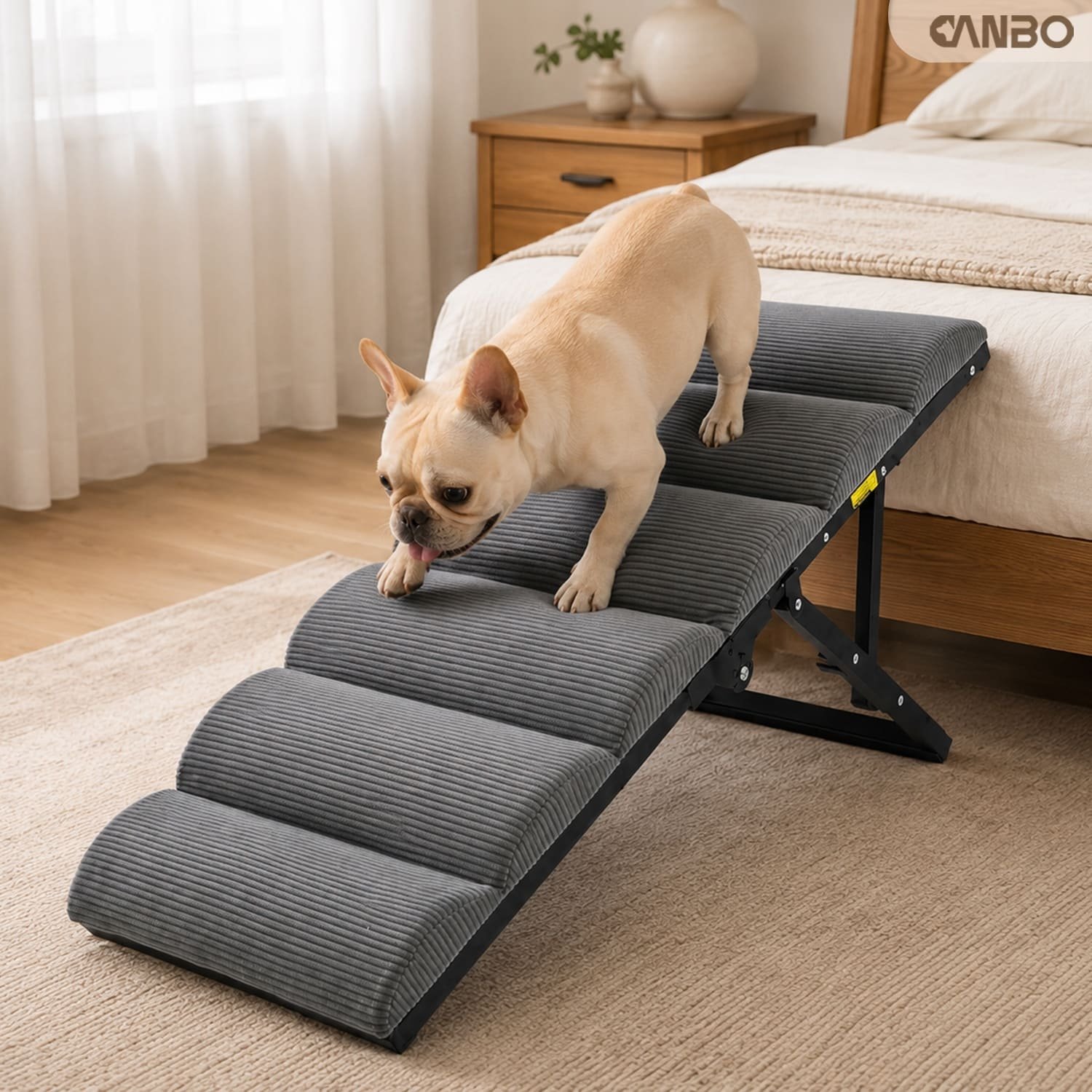
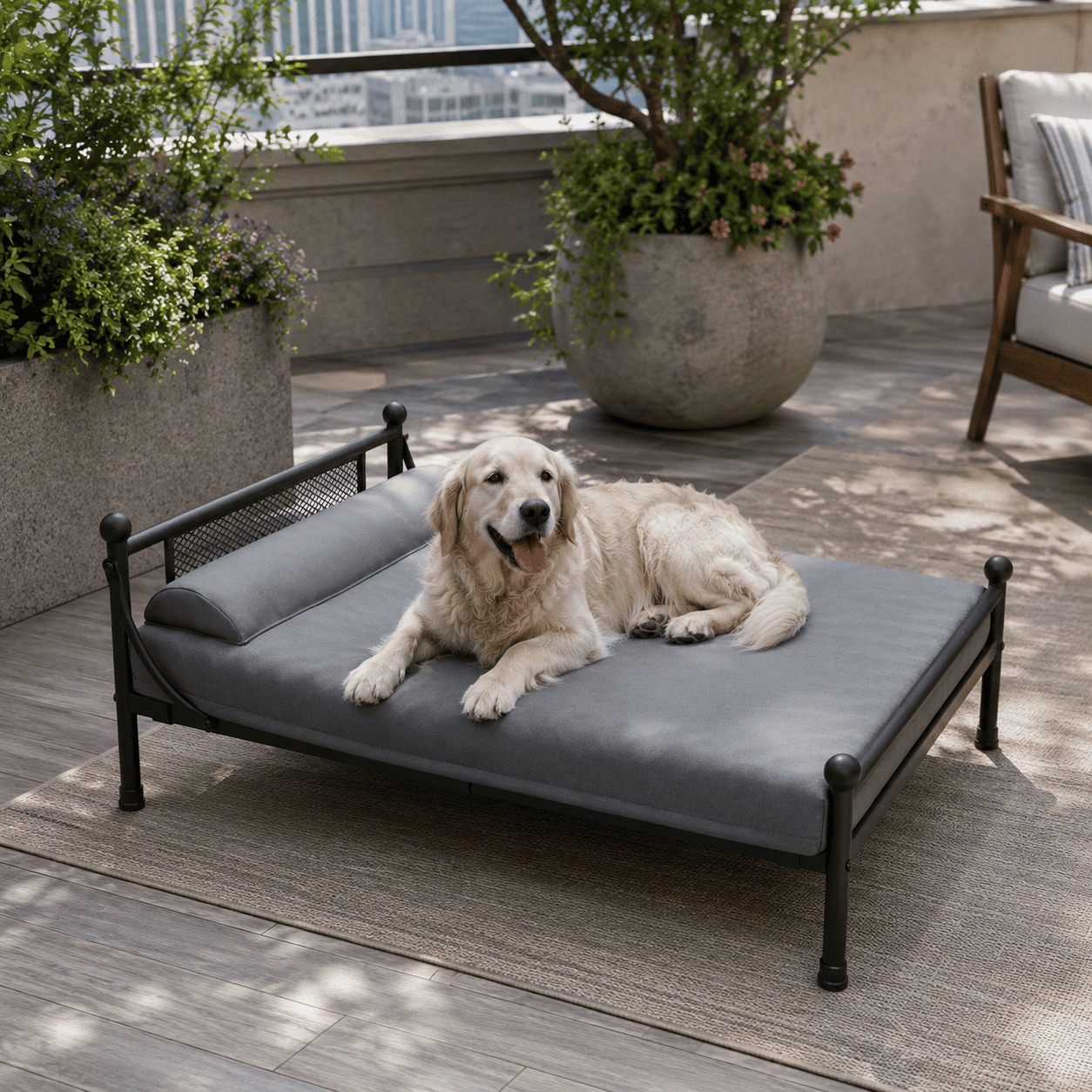
Buna karşılık, evde uzun vadeli kullanım amaçlanıyorsa, kriterler önemli ölçüde değişir. Sağlamlık, yük taşıma kapasitesi ve mevcut ev dekoruyla estetik uyum, belirleyici faktörler haline gelir. Bu bakımdan, sabit çerçeveli yükseltilmiş köpek yatakları belirgin avantajlara sahiptir.
Yapısal olarak, ağır hizmet tipi yükseltilmiş köpek yatakları genellikle çok noktalı kaynaklı güçlendirilmiş metal çerçevelere sahiptir; bu tasarım, büyük köpeklerin üzerine atlamaları, inmeleri, tırmalamaları ve uzun süre uzanmaları gibi günlük zorlu koşullara dayanacak kadar sağlamdır. Dev ırkları (Mastiff veya St. Bernard gibi) besleyen evler için, ekstra büyük sabit çerçeveli bir yatak neredeyse tek güvenilir seçenektir. Katlanabilir modeller genellikle özenle tasarlanmış menteşe mekanizmalarına sahip olsa da, sık ve yüksek darbeli baskıya maruz kaldıklarında uzun vadeli dayanıklılıkları sabit çerçeveli modellerinkiyle kıyaslanamaz.
Ayrıca, sabit çerçeveli modeller genellikle daha zarif bir tasarım estetiğine sahiptir; birçok platform tarzı köpek yatağı, başlık bile içermektedir; bu yataklar, insan mobilyalarının minyatür versiyonlarını andırır ve yatak odalarına ya da oturma odalarına hiç yadırganmadan uyum sağlar. Evlerinin görsel çekiciliğine büyük önem veren müşteriler için bu özellik, önemli bir satış argümanı olarak öne çıkmaktadır.
Dikkate alınması gereken psikolojik bir boyut da var: Sabit çerçeve, kalıcılık hissi uyandırır — “her zaman tam burada” güvencesi verir — ve böylece özellikle köpek için özel bir alan yaratır. Bu aidiyet duygusu, katlanabilir modellerin aslında taklit etmekte zorlandıkları bir şeydir.
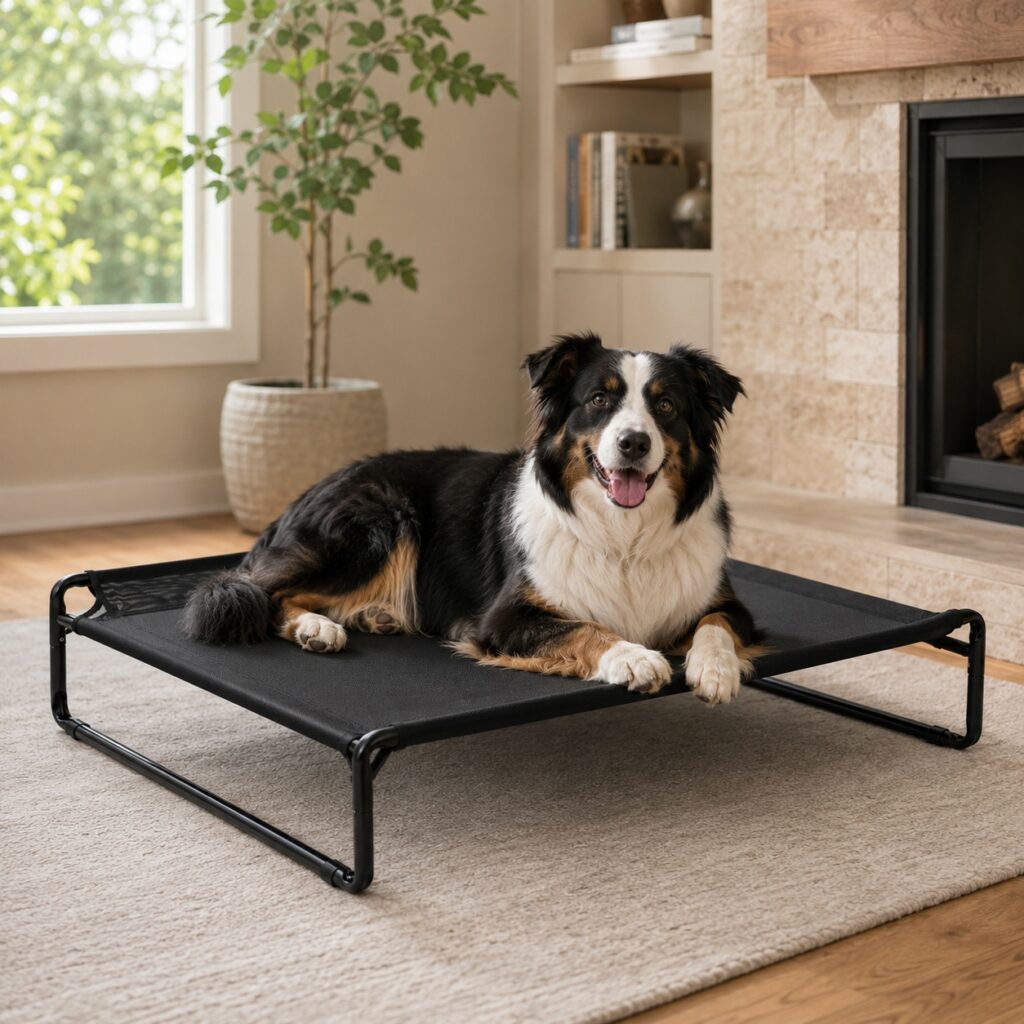
Satın alma kararları verirken fiyat, birim ağırlık ve montaj zorluğu, nihai dönüşüm oranlarını ve lojistik maliyetlerini doğrudan etkileyen üç kaçınılmaz ölçüttür. Sektör ortalamalarıyla karşılaştırmalı olarak sunulan aşağıdaki karşılaştırma, bu iki ürün kategorisinin genel ürün portföyünüzde üstlendiği farklı rolleri netleştirmenize yardımcı olacaktır.
Fiyatlandırma: Katlanabilir evcil hayvan karyolaları ve büyük boy katlanabilir evcil hayvan yatakları gibi ürünler genellikle düşük-orta fiyat aralığında yer alır. Bu ürünler, yüksek hacimli satış stratejileri ve promosyon kampanyaları için idealdir. Ayrıca, hafif ambalajları ve daha düşük gelen nakliye maliyetleri, bu ürünleri sınır ötesi e-ticaret satıcıları için özellikle cazip kılmaktadır. Buna karşılık, büyük köpekler için yükseltilmiş yataklar veya dış mekan kullanımı gibi sabit yapılı modeller, daha sağlam malzemeler gerektirir. Sonuç olarak, hem birim üretim maliyetleri hem de lojistik giderleri daha yüksektir; ancak aynı zamanda daha yüksek perakende fiyatlarına sahip olup daha geniş kâr marjları sunarlar, bu da onları premium, yüksek kâr marjlı bir ürün konumlandırması için son derece uygun kılar.
Montaj: Katlanabilir, yükseltilmiş evcil hayvan yatakları genellikle herhangi bir alet gerektirmez ve kutudan çıkar çıkmaz hemen kullanıma hazırdır. Buna karşılık, bazı sabit yapılı modellerde (güneşlik veya entegre şiltelere sahip olanlar gibi) kullanıcının birkaç parçayı birleştirmesi gerekir; bu işlem genellikle 10 ila 20 dakika sürer. Bu, sabit yapılı modelleri satmayı tercih ederseniz, olası sorunları ve satış sonrası destekle ilgili sıkıntıları önlemek için tedarikçinizin, resimli kılavuzlar veya video eğitimleri şeklinde olsun, açık ve kullanıcı dostu montaj talimatları sağladığından emin olmanız gerektiği anlamına gelir.
Bu farklılıkları kavrayarak, satın alma kararlarınızı daha büyük bir güvenle verebilir ve seçimlerinizi kendi satış kanallarınızın kendine özgü özelliklerine ve gereksinimlerine göre uyarlayabilirsiniz.
Müşterileriniz Nasıl Bir Profil Sergiliyor? Yaşam Tarzlarına Göre Stok Yapın
Gerçekten yetenekli bir alıcı, sadece tek tek ürünleri seçmekte iyi olmakla kalmaz; müşterinin yaşam tarzından yola çıkarak en uygun ürün kombinasyonlarını oluşturabilir. İşte size referans olması için üç tipik müşteri profili:
Profil 1: Doğa Maceracısı
Anahtar kelimeler: Kamp, doğa yürüyüşü, karavan seyahati, hafta sonu kaçamakları.
İhtiyaçlar: Yükseltilmiş açık hava köpek yatakları, taşınabilir köpek karyolaları, güneşlikli katlanabilir karyolalar.
Stoklama Önerisi: Kolay taşınabilirlik için öncelikle küçük ve orta boy katlanabilir modellerden stoklayın; ardından bunları seyahate uygun yükseltilmiş yataklarla birleştirerek paket halinde satın.
Profil 2: Evcimen
Anahtar kelimeler: Dayanıklı, şık, büyük köpekler için yeterince sağlam.
Tercihler: Güneşlikli geniş yükseltilmiş yataklar, baş dayama yeri bulunan yükseltilmiş yataklar, büyük ırklar için özel olarak tasarlanmış dayanıklı dış mekan yatakları.
Stoklama Önerisi: Öncelikle sabit çerçeveli modellere odaklanın; bununla birlikte, yedek parça olarak çıkarılabilir ve temizlenmesi kolay yatak örtülerini de stoklayın; ayrıca, evcil hayvan merdivenleri gibi aksesuarları da ek satış seçenekleri olarak sunun.
Profil 3: Hibrit Kullanıcı
Evde kullanmak için bir yatağa ihtiyacı var, ancak ara sıra köpeğini de gezilere çıkarıyor.
En Etkili Strateji: Sabit çerçeveli bir modeli katlanabilir seyahat modeliyle bir araya getirerek birbirini tamamlayan bir set oluşturun. Köpeğin güvenlik hissini artırmak için, kenarları yükseltilmiş yataklar veya yastıklar gibi birkaç küçük aksesuar ekleyin. Bu yaklaşım, sadece ortalama sipariş değerini artırmakla kalmaz, aynı zamanda müşterilerinize ürün seçiminizin ne kadar profesyonel olduğunu da gösterir.
Sektörde birkaç yıl çalıştıktan sonra, kolayca gözden kaçan bir gerçeği fark edeceksiniz: katlanabilir yükseltilmiş evcil hayvan yatakları ile sabit çerçeveli yükseltilmiş evcil hayvan yatakları arasında “sıfır toplamlı” bir ilişki yoktur. Gerçek tüketicilerin elinde, bu iki ürün aslında büyük ölçüde birbirini tamamlayıcı niteliktedir.
Veriler de bu görüşü desteklemektedir: Tente li bir açık hava serinletme yatağı satın alan müşterilerin, yoğun sezonda katlanabilir bir kamp yatağı satın alma olasılığı oldukça yüksektir; benzer şekilde, köpeklerinin evde kullanması için sabit çerçeveli bir yükseltilmiş yatak satın almış olanların da seyahate çıkmadan önce taşınabilir bir seyahat yatağı satın alma olasılığı oldukça yüksektir. Diğer bir deyişle, aynı geniş ürün kategorisi içinde çapraz satış stratejilerini kesinlikle uygulayabilirsiniz.
Peki, bunu somut olarak nasıl gerçekleştirebilirsiniz? “İkili” bir yaklaşım benimseyin: Ev kullanımı pazarındaki konumunuzu sağlamlaştırmak için sabit çerçeveli modelleri kullanırken, seyahat ve açık hava gibi niş pazarlara girmek için katlanabilir modellerden yararlanın. Örneğin, e-ticaret ürün detay sayfalarınıza “Ev Kullanımı için Sabit Model + Seyahat için Taşınabilir Model” kombinasyonunu içeren bir paket satın alma seçeneği ekleyin; fiziksel perakende mağazalarınızda ise müşterileri tamamlayıcı satın alımlar yapmaya teşvik edecek senaryo tabanlı vitrin düzenlemeleri oluşturun. Köpek yatağı toptancıları ve üreticileri için, her iki ürün türünü de tedarik edebilme yeteneği —karışık parti siparişlerini ve özelleştirmeyi desteklerken— tedarik zincirinin içinde başlı başına güçlü bir rekabet avantajı sağlar.
Bu mantığı takip edersek, kaçınılmaz olarak daha pratik bir soru sormak zorunda kalacaksınız: Mevcut tedarikçiniz, “katlanabilir” ve “sabit çerçeveli” ürün serilerini *ikisini de* aynı anda etkin bir şekilde idare edebiliyor mu?
Tedarik stratejiniz “tek bir çok satan SKU’ya odaklanmaktan” “senaryo temelli ürün paketleme yaklaşımına” doğru kayarken, tedarik zincirinin üst kademesindeki entegrasyon yetenekleri son derece kritik hale gelir. İdeal olarak, bir köpek yatağı üreticisi sadece tek bir ürün kategorisinde üretimle sınırlı kalmamalı; bunun yerine, kapsamlı bir uyumluluk sertifikaları paketiyle birlikte kategoriler arası Ar-Ge yeteneklerine sahip olmalıdır.
Evcil hayvan malzemeleri endüstrisinin uzmanlaşmış kümelenme alanlarında, birçok köklü fabrika halihazırda bu yetkinlik düzeyine ulaşmıştır: Tek bir tesis içinde, hem katlanabilir köpek yatakları için gerekli olan hafif metal imalatını hem de sabit yapılı yükseltilmiş köpek yatakları için gereken ağır hizmet tipi çerçeve kaynak işlerini gerçekleştirebilmektedirler. Bu üretim hatları arası yetkinlik, alt sektör markalarının kalite kontrolünü tek bir çatı altında birleştirmesine, sevkiyatları konsolide etmesine ve patent lisanslama prosedürlerini kolaylaştırmasına olanak tanır; böylece çok kategorili tedarikle ilişkili yönetim maliyetlerini önemli ölçüde azaltır.
Sertifikalar konusunda, sosyal sorumluluk denetimleri ve kalite yönetim sistemi sertifikaları sunabilen evcil hayvan yatağı fabrikaları —ayrıca ürünleri hedef pazarlar için gerekli uygunluk işaretlerini taşıyan fabrikalar— büyük Batılı süpermarketler, hipermarketler ve e-ticaret platformları tarafından giderek daha fazla tercih edilmektedir. Ayrıca, hedef pazarlarda tasarım patentlerine sahip olmak —özellikle kanopili açık hava köpek yatakları veya yükseltilmiş serinletici yataklar gibi son derece ayırt edici tasarımlar için— markaların, özel markalı köpek yatağı serileri için uzun vadeli iş ortakları seçerken dikkate aldıkları temel kriterlerden biri haline gelmiştir.
Bu nedenle, şu anda yüksek kaliteli köpek yatağı ürünlerinden oluşan portföyünüzü yeniden yapılandırmaya hazırlanıyorsanız, hem yüksek hacimli tedariki sağlayabilen, hem OEM/ODM özelleştirmelerini gerçekleştirebilen, hem de temel ürün kategorilerinde stratejik bir patent portföyünü sürdürebilen bir tedarik zinciri ortağı seçmeniz, ürün yelpazenizin genişliğini ve tüketici düzeyinde piyasa risklerine karşı dayanıklılığınızı doğrudan belirleyecektir.
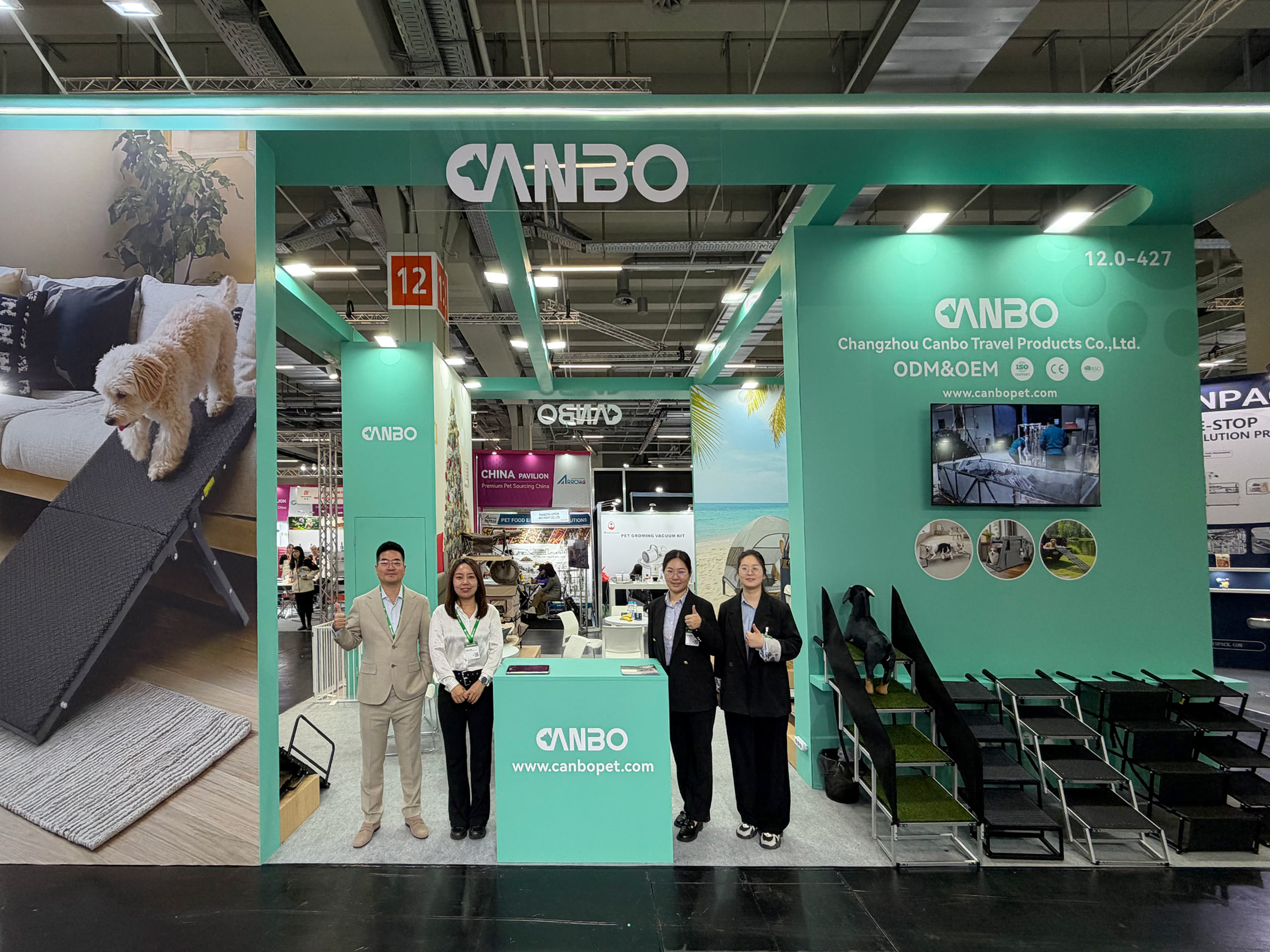
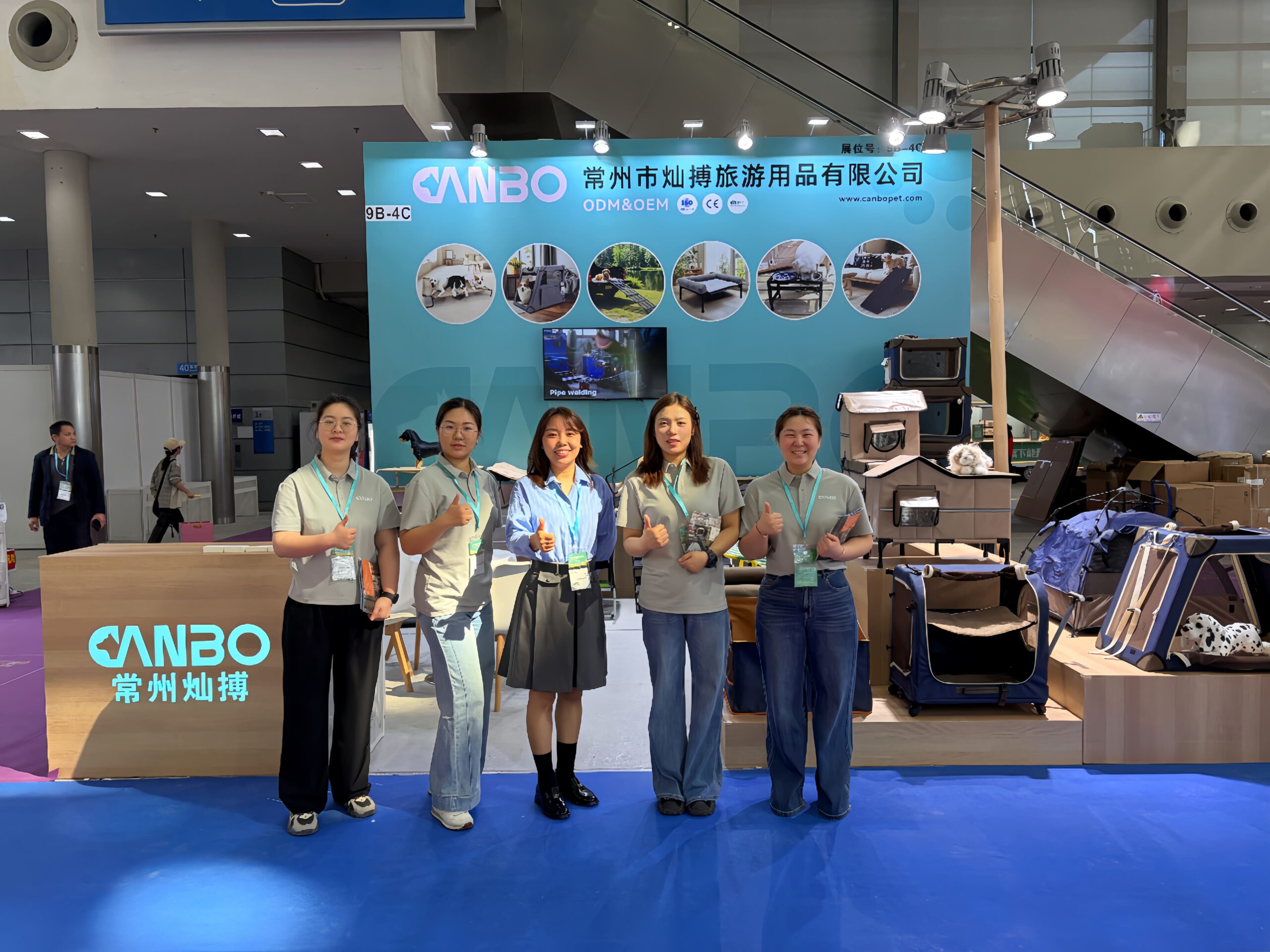
Changzhou Canbo Travel Products Co., Ltd.’yi örnek olarak ele alalım; bu şirket, bu tür bir tedarik zinciri ortağının en tipik örneğidir. İster katlanabilir yükseltilmiş köpek yatakları ister sabit çerçeveli modeller olsun, şirket hem Avrupa hem de Kuzey Amerika pazarlarını kapsayan kapsamlı bir patent portföyüne sahiptir. Şirket, evcil hayvan yatağı sektöründeki toptan müşterilere, belirli kullanım senaryolarına uyarlanmış özelleştirilmiş ürün portföyü çözümleri tasarlayarak ve sunarak destek vermeye hazırdır.