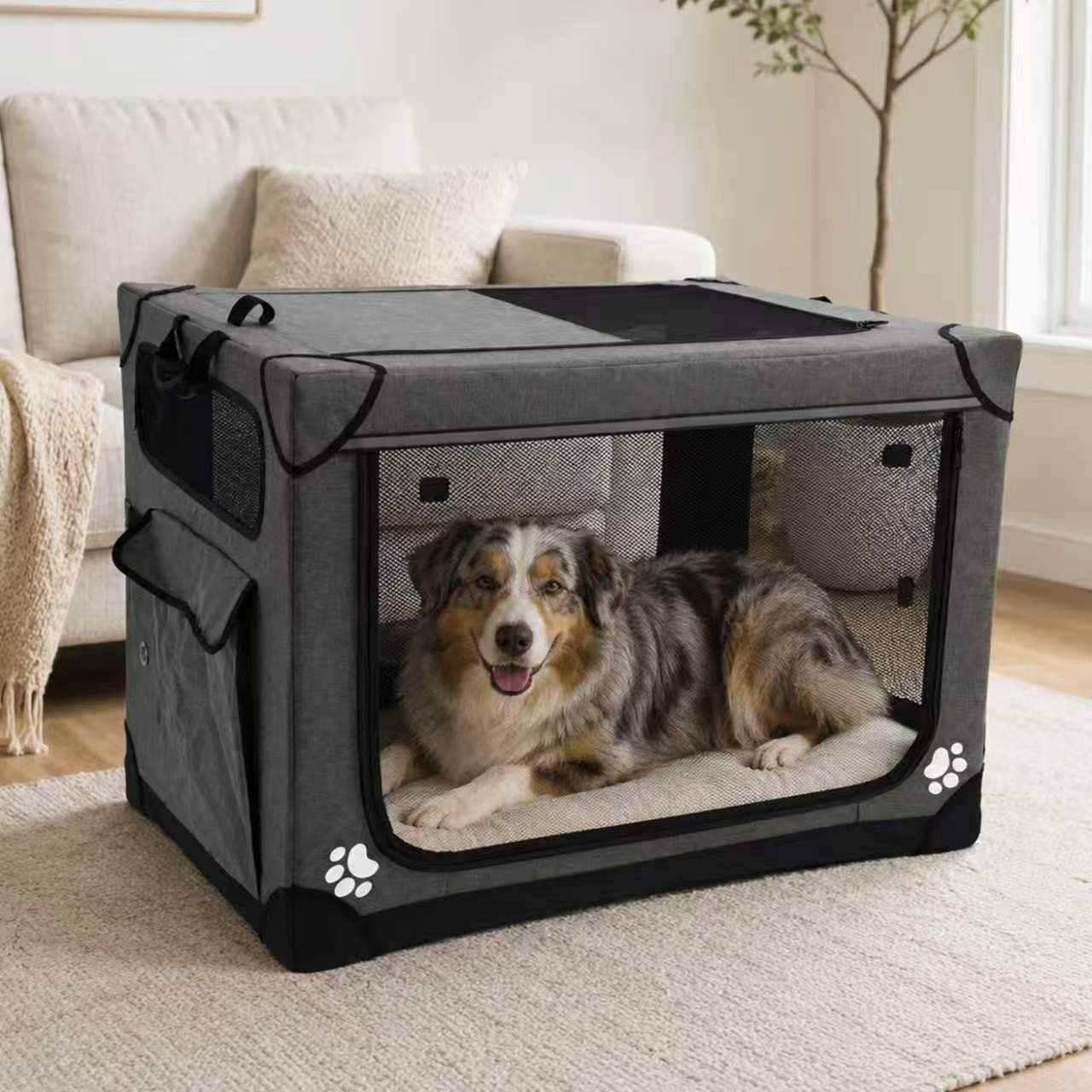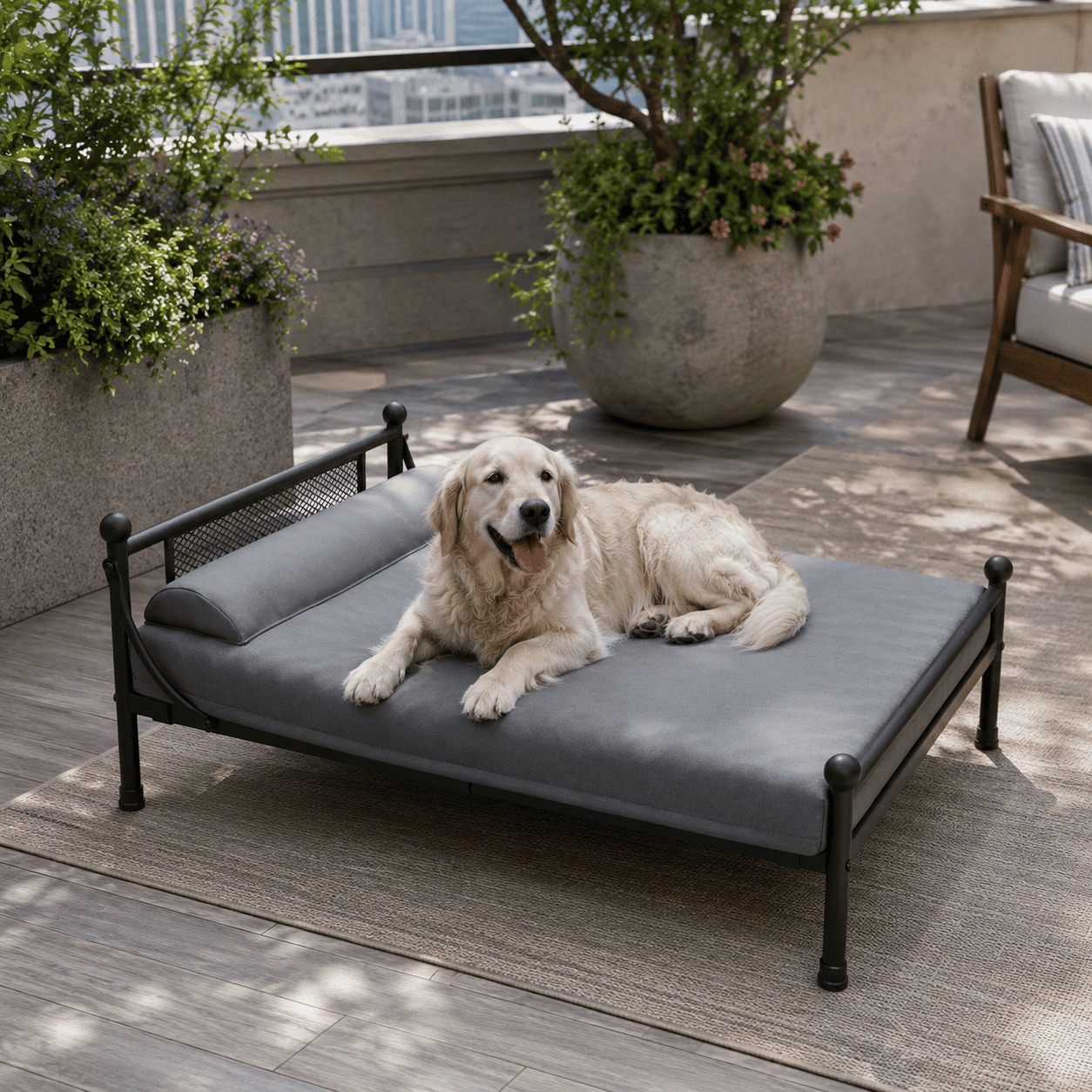

Trong các buổi lựa chọn sản phẩm dành cho thú cưng, nhiều người bán thường băn khoăn trước một câu hỏi: Liệu mình nên ưu tiên quảng bá các loại giường cho chó có thể gập lại và nâng cao, hay nên nhập về các mẫu giường có khung cố định?
Thành thật mà nói, mặc dù bề ngoài cả hai loại sản phẩm này đều phục vụ cùng một mục đích — giúp chó không phải nằm trực tiếp trên sàn khi ngủ — nhưng nếu xem xét kỹ hơn, ta sẽ thấy rằng chúng hướng đến hai phân khúc khách hàng hoàn toàn khác biệt, được thúc đẩy bởi những động cơ mua hàng rất khác nhau.
Đối với những ai hoạt động trong lĩnh vực thương mại điện tử xuyên biên giới, kinh doanh cửa hàng thú cưng hoặc quản lý mua hàng bán lẻ, sự chuyên nghiệp thực sự không nằm ở việc cố gắng xác định “loại nào tốt hơn”, mà nằm ở việc nhận ra rằng hai danh mục sản phẩm này thực chất bổ sung cho nhau. Bạn cần linh hoạt điều chỉnh danh mục sản phẩm để phù hợp với lối sống đa dạng của khách hàng.
Hôm nay, xoay quanh hai khái niệm chính là ”tính di động” và “tính ổn định tại nhà”, chúng ta sẽ tìm hiểu các trường hợp sử dụng cụ thể, chiến lược định giá, mức độ phức tạp trong lắp ráp và đối tượng khách hàng mục tiêu của từng loại sản phẩm này. Mục tiêu của chúng tôi là giúp quý vị xây dựng một phương pháp tiếp cận thực tiễn hơn trong việc lựa chọn sản phẩm: một phương pháp cho phép quý vị xây dựng danh mục sản phẩm hoàn hảo, phù hợp với từng nhóm khách hàng cụ thể. Cuối cùng, chúng tôi cũng sẽ thảo luận về cách xác định các đối tác chuỗi cung ứng đáng tin cậy, bao gồm các chủ đề như tùy chỉnh OEM/ODM và cấp phép bằng sáng chế.
-1-1024x1024.png)
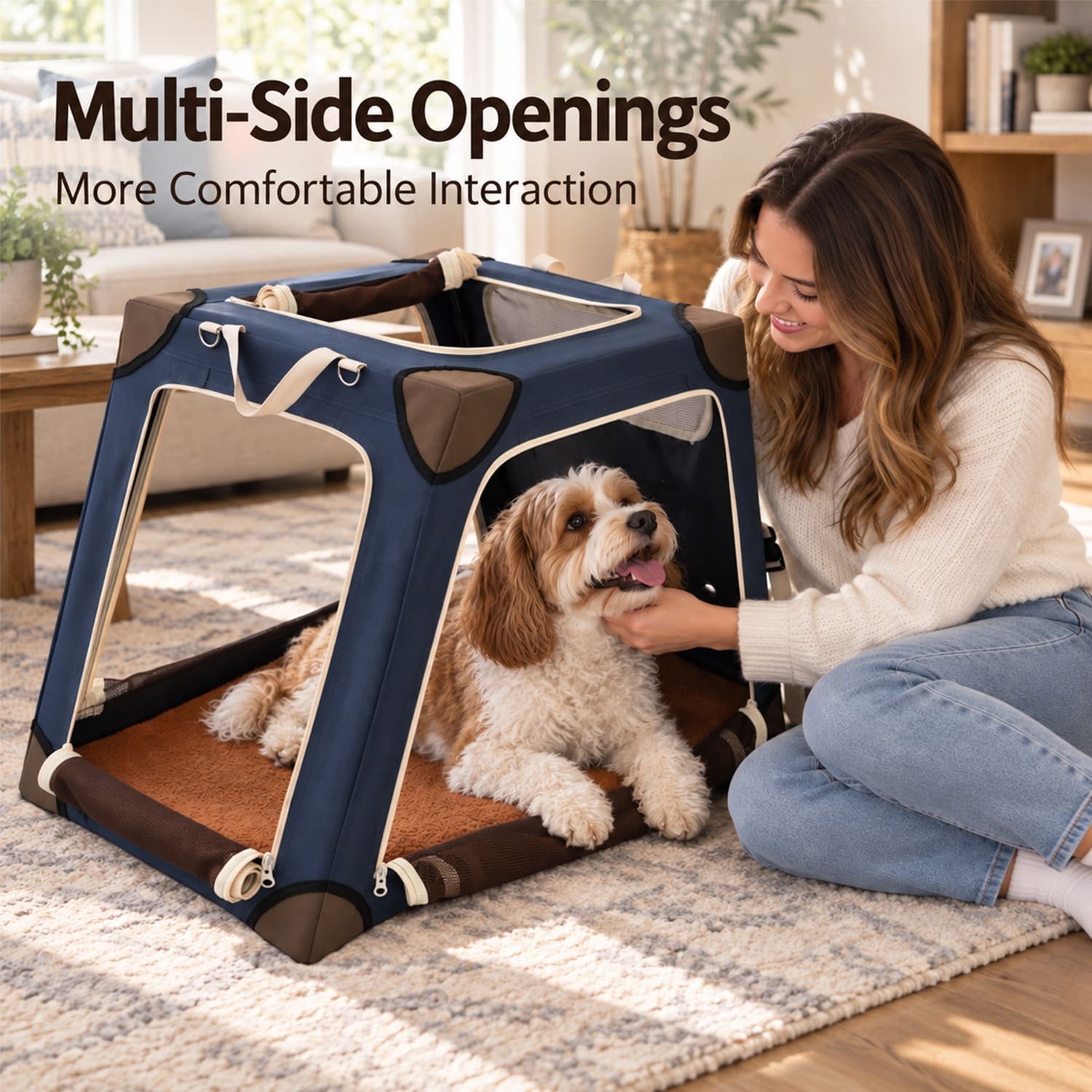
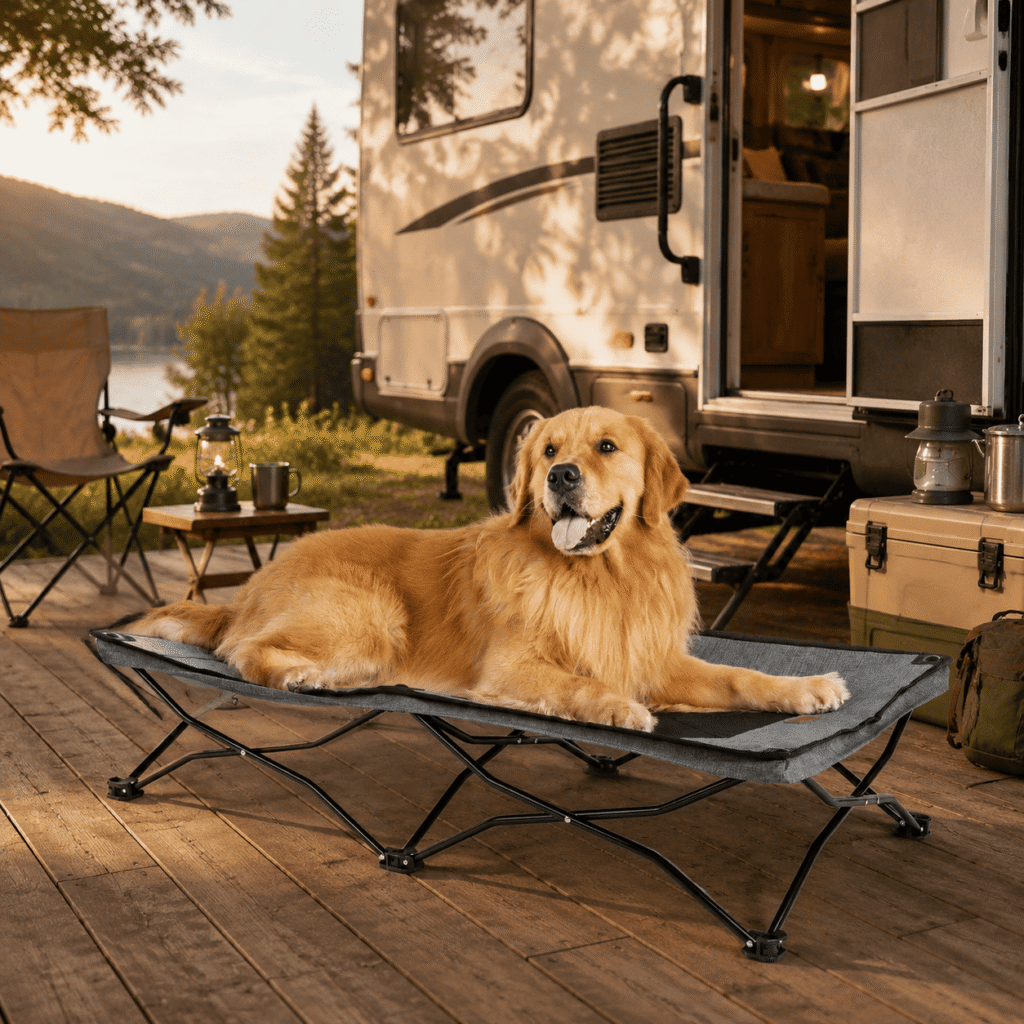
Hãy thử nghĩ xem: trong bất kỳ tình huống nào đòi hỏi phải di chuyển thường xuyên — cắm trại, đi du lịch bằng xe RV, gửi thú cưng tại trại giữ, lưu trú tại các khách sạn cho phép mang thú cưng theo, hay ghé thăm các quán cà phê ngoài trời — một chiếc giường di động cho chó thực sự là vật dụng không thể thiếu. Trong những tình huống này, yêu cầu duy nhất của người dùng rất đơn giản: nó phải có thể gấp gọn được.
Thứ nhất, sản phẩm cần có thể gấp gọn và nhẹ để dễ mang theo. Đây là yếu tố quyết định khi mua hàng. Một chiếc giường gấp cho chó thông thường có thể được gấp gọn thành một khối phẳng, nhỏ gọn trong vòng chưa đầy một phút, dễ dàng nhét vừa vào cốp xe hoặc túi du lịch. Đối với người tiêu dùng phương Tây, những người coi thú cưng như con cái và thích mang theo chó đi khắp mọi nơi, giường cắm trại cho chó và giường du lịch gấp gọn đã chuyển từ “phụ kiện tùy chọn” thành “trang bị du lịch tiêu chuẩn”.”
Thứ hai, sản phẩm cần sẵn sàng sử dụng ngay khi bạn vừa đến — càng đơn giản càng tốt. Hầu hết các loại giường gấp cho chó đều không cần dụng cụ nào cả; bạn chỉ cần mở ra là được — không cần hướng dẫn sử dụng. Một số mẫu cao cấp thậm chí còn có cơ chế gấp bằng một tay — một tính năng đặc biệt tiện lợi cho những phụ nữ đi du lịch một mình cùng chú chó của mình. Hơn nữa, nhiều mẫu giường gấp còn đi kèm túi đựng riêng, giúp tối đa hóa tính di động.
Tiếp theo là vấn đề vệ sinh: thiết kế lưới nâng cao giúp tự nhiên chống bám bụi bẩn, cát và cỏ cắt. Hơn nữa, các mẫu giường có thể gấp gọn thường đi kèm với vỏ bọc có thể tháo rời và dễ vệ sinh — khiến chúng trở thành lựa chọn ưa chuộng tại các cơ sở trông giữ thú cưng và khách sạn thân thiện với thú cưng. Từ góc độ mua sắm, các sản phẩm này có tỷ lệ mua lại cao và tính ứng dụng rộng rãi; hiện nay, chúng là một trong những phân khúc phát triển nhanh nhất trên thị trường bán buôn giường cho chó.
Ngược lại, nếu mục đích là sử dụng lâu dài trong nhà, các tiêu chí sẽ thay đổi đáng kể. Tính ổn định, khả năng chịu tải và sự hài hòa về mặt thẩm mỹ với nội thất hiện có trong nhà trở thành những yếu tố quyết định. Về mặt này, giường cho chó có khung cố định và được nâng cao sở hữu những ưu điểm rõ rệt.
Về mặt cấu trúc, giường cho chó nâng cao chịu tải nặng thường có khung kim loại gia cố với các mối hàn đa điểm — một thiết kế đủ chắc chắn để chịu được những tác động khắc nghiệt hàng ngày khi những chú chó lớn nhảy lên nhảy xuống, cào cấu và nằm trong thời gian dài. Đối với các hộ gia đình nuôi các giống chó khổng lồ (như Mastiff hoặc St. Bernard), giường có khung cố định cỡ cực lớn thực tế là lựa chọn đáng tin cậy duy nhất. Mặc dù các mẫu giường gấp thường được trang bị cơ chế bản lề được thiết kế kỹ lưỡng, nhưng độ bền lâu dài của chúng đơn giản là không thể sánh được với các mẫu giường có khung cố định khi phải chịu áp lực va đập mạnh và thường xuyên.
Hơn nữa, các mẫu giường có khung cố định thường có thiết kế thẩm mỹ tinh tế hơn; nhiều loại giường cho chó kiểu bục thậm chí còn được trang bị đầu giường, trông giống như những phiên bản thu nhỏ của đồ nội thất dành cho người, giúp hòa nhập một cách tự nhiên vào phòng ngủ hoặc phòng khách mà không gây cảm giác lạc lõng. Đối với những khách hàng đặc biệt coi trọng vẻ đẹp thẩm mỹ của ngôi nhà, đặc điểm này chính là một điểm thu hút quan trọng.
Còn có một khía cạnh tâm lý cần xem xét: khung cố định mang lại cảm giác bền vững — một sự đảm bảo rằng “nó luôn ở ngay đây” — từ đó tạo ra một không gian riêng biệt dành riêng cho chú chó. Cảm giác thuộc về này là điều mà các mẫu gấp, thực tế, rất khó có thể tái tạo được.
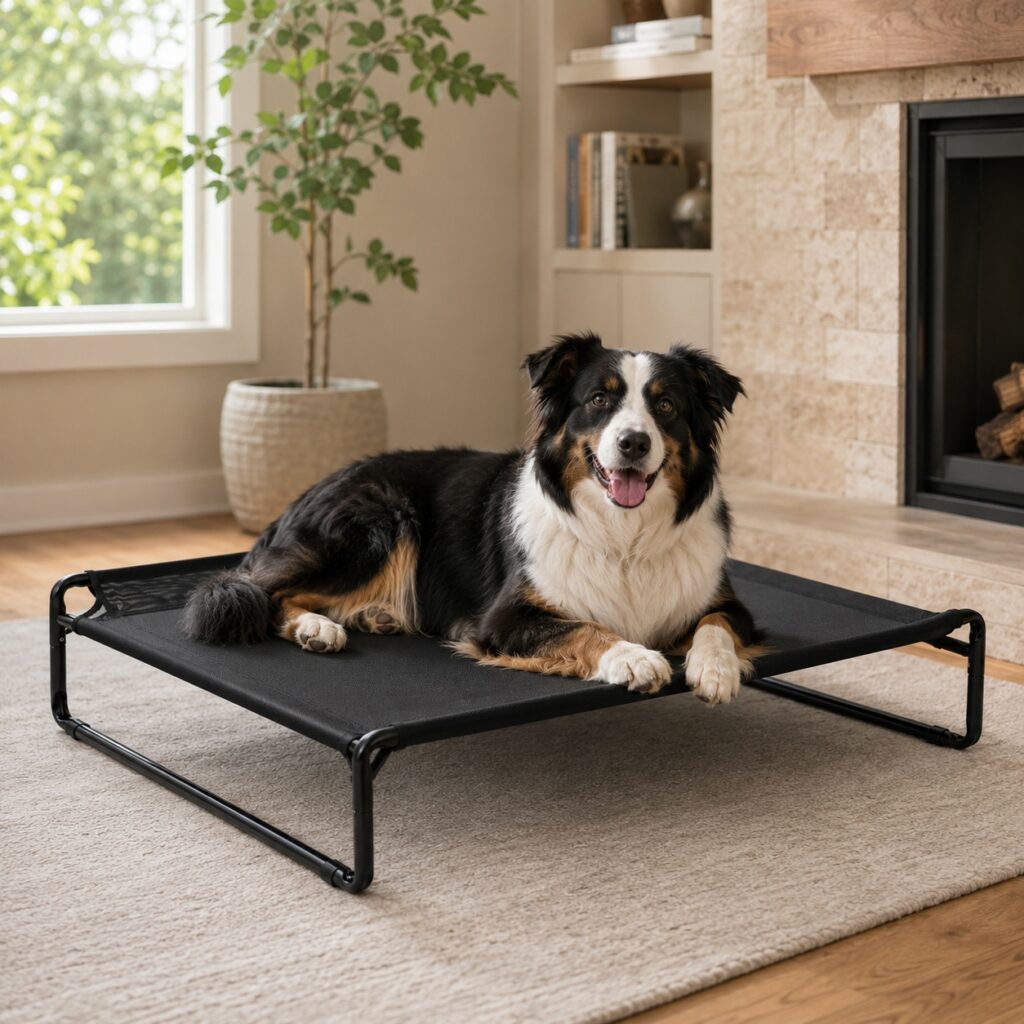
Khi đưa ra quyết định mua hàng, giá cả, trọng lượng đơn vị và mức độ phức tạp trong lắp ráp là ba chỉ số không thể bỏ qua, có ảnh hưởng trực tiếp đến tỷ lệ chuyển đổi cuối cùng và chi phí hậu cần. So sánh sau đây — được lấy mức trung bình của ngành làm chuẩn — sẽ giúp bạn làm rõ vai trò riêng biệt mà hai danh mục sản phẩm này đóng góp trong danh mục sản phẩm tổng thể của bạn.
Giá cả: Các sản phẩm như giường gấp cho thú cưng và giường gấp cỡ lớn cho thú cưng thường thuộc phân khúc giá thấp đến trung bình. Chúng rất lý tưởng cho các chiến lược bán hàng số lượng lớn và các chiến dịch khuyến mãi. Hơn nữa, bao bì nhẹ và chi phí vận chuyển nhập hàng thấp khiến chúng đặc biệt phù hợp với các nhà bán hàng thương mại điện tử xuyên biên giới. Ngược lại, các mẫu có cấu trúc cố định — chẳng hạn như giường nâng cao dành cho chó lớn hoặc sử dụng ngoài trời — đòi hỏi vật liệu chắc chắn hơn. Do đó, cả chi phí sản xuất đơn vị và chi phí hậu cần của chúng đều cao hơn; tuy nhiên, chúng cũng có giá bán lẻ cao hơn và mang lại biên lợi nhuận lớn hơn, khiến chúng rất phù hợp để định vị là sản phẩm cao cấp, có biên lợi nhuận cao.
Lắp ráp: Giường nâng gấp gọn cho thú cưng thường không cần dụng cụ và có thể sử dụng ngay sau khi mở hộp. Ngược lại, một số mẫu giường có cấu trúc cố định (chẳng hạn như những mẫu có mái che nắng hoặc nệm tích hợp) yêu cầu người dùng phải lắp ráp một số bộ phận, quá trình này thường mất từ 10 đến 20 phút. Điều này có nghĩa là nếu bạn quyết định bán các mẫu giường có cấu trúc cố định, bạn phải đảm bảo nhà cung cấp cung cấp hướng dẫn lắp ráp rõ ràng và dễ hiểu—dù dưới dạng hướng dẫn có hình minh họa hay video hướng dẫn—để tránh các rắc rối tiềm ẩn và vấn đề liên quan đến dịch vụ hậu mãi.
Bằng cách nắm rõ những điểm khác biệt này, bạn có thể đưa ra quyết định mua hàng một cách tự tin hơn, đồng thời điều chỉnh các lựa chọn sao cho phù hợp với những đặc điểm và yêu cầu cụ thể của các kênh bán hàng của chính mình.
Khách hàng của bạn là những người như thế nào? Hãy dự trữ hàng hóa dựa trên phong cách sống của họ
Một người mua hàng thực sự giỏi không chỉ giỏi trong việc lựa chọn từng mặt hàng riêng lẻ; họ còn có khả năng suy luận ngược từ lối sống của khách hàng để lựa chọn những bộ sản phẩm phù hợp nhất. Dưới đây là ba mẫu khách hàng điển hình để bạn tham khảo:
Hồ sơ 1: Nhà thám hiểm ngoài trời
Từ khóa: Cắm trại, đi bộ đường dài, du lịch bằng xe RV, các chuyến đi ngắn ngày vào cuối tuần.
Các sản phẩm cần thiết: Giường ngủ ngoài trời có chân cao cho chó, giường gấp di động cho chó, giường gấp có mái che nắng.
Lời khuyên về việc nhập hàng: Nên nhập chủ yếu các mẫu giường gấp cỡ nhỏ đến trung bình để dễ dàng mang theo; sau đó, kết hợp chúng với các loại giường nâng cao phù hợp cho du lịch để bán dưới dạng gói combo.
Hồ sơ 2: Người thích ở nhà
Từ khóa: Bền, thời trang, đủ chắc chắn cho những chú chó lớn.
Sở thích: Giường cao có mái che nắng, giường cao có tựa đầu, giường ngoài trời siêu bền được thiết kế riêng cho các giống chó cỡ lớn.
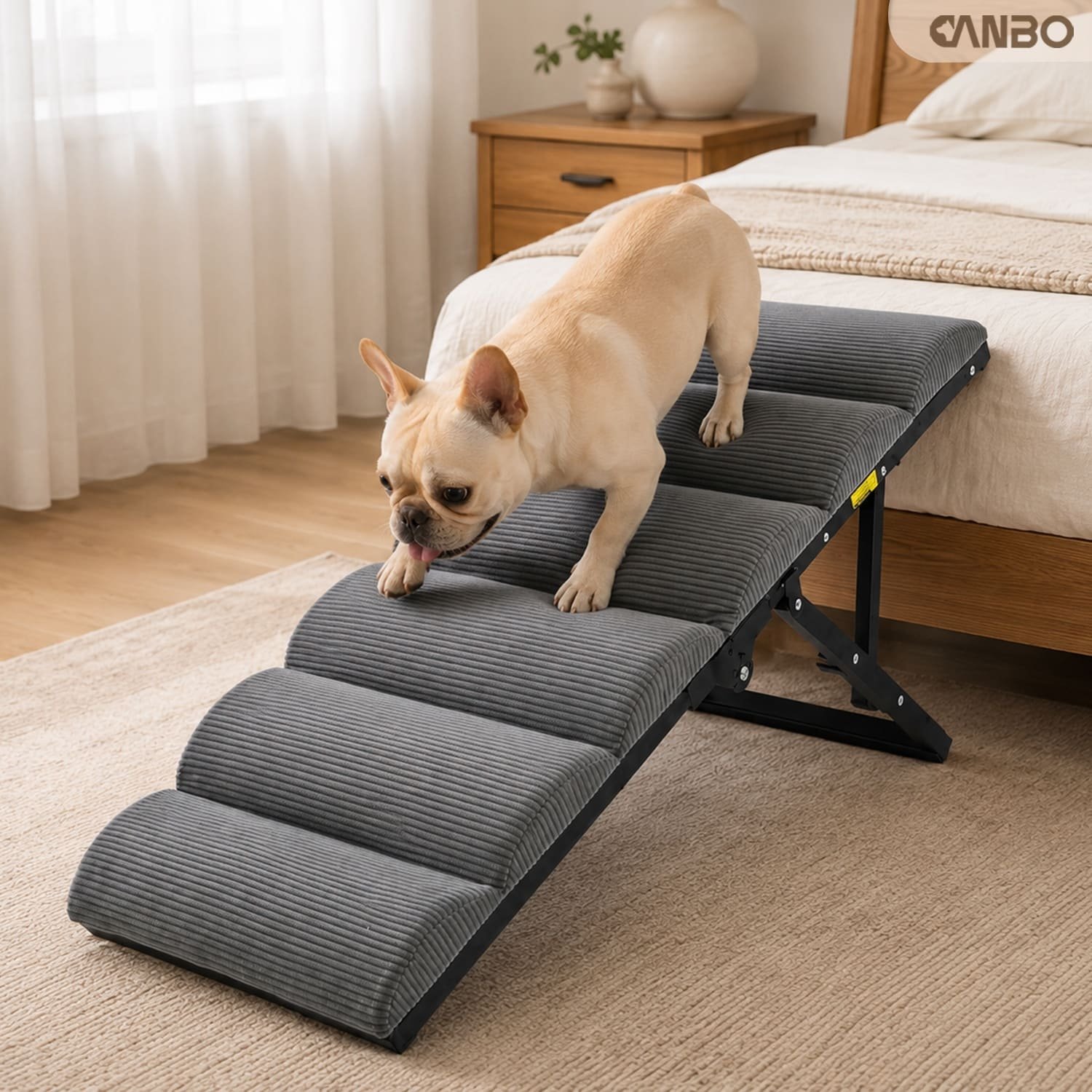
Lời khuyên về việc nhập hàng: Nên tập trung chủ yếu vào các mẫu có khung cố định, đồng thời nhập cả các tấm phủ giường có thể tháo rời và dễ vệ sinh để làm phụ tùng thay thế; ngoài ra, hãy cung cấp các phụ kiện — chẳng hạn như cầu thang dành cho thú cưng — như các lựa chọn bán thêm.
Hồ sơ 3: Người dùng kết hợp
Cần một chiếc giường để dùng tại nhà, nhưng thỉnh thoảng cũng mang chú chó của mình đi du lịch.
Chiến lược hiệu quả nhất: Kết hợp một mẫu lồng cố định với một mẫu lồng du lịch có thể gập lại để tạo thành một bộ sản phẩm bổ sung cho nhau. Thêm một vài phụ kiện nhỏ — chẳng hạn như giường có thành cao hoặc gối ôm — để tăng cảm giác an toàn cho chó. Cách tiếp cận này không chỉ giúp nâng cao giá trị đơn hàng trung bình mà còn chứng tỏ cho khách hàng thấy sự chuyên nghiệp thực sự trong việc lựa chọn và sắp xếp sản phẩm của bạn.
Sau khi làm việc trong ngành này được vài năm, bạn sẽ nhận ra một thực tế thường dễ bị bỏ qua: giường nâng gấp gọn cho thú cưng và giường nâng khung cố định không tồn tại trong mối quan hệ “tổng bằng không”. Trên thực tế, trong tay người tiêu dùng, hai loại sản phẩm này phần lớn bổ sung cho nhau.
Dữ liệu cũng cho thấy điều này: những khách hàng mua giường làm mát ngoài trời có mái che có khả năng rất cao sẽ mua giường cắm trại gấp gọn trong mùa cao điểm; tương tự, những người đã mua giường nâng khung cố định cho chó sử dụng tại nhà cũng có khả năng rất cao sẽ mua giường du lịch di động trước khi lên đường đi du lịch. Nói cách khác, bạn hoàn toàn có thể triển khai các chiến lược bán chéo trong cùng một danh mục sản phẩm rộng.
Cụ thể, bạn nên thực hiện điều này như thế nào? Hãy áp dụng phương pháp “hai hướng”: sử dụng các mẫu xe đạp khung cố định để củng cố vị thế trên thị trường sử dụng tại nhà, đồng thời tận dụng các mẫu xe đạp gấp gọn để khai thác các thị trường ngách du lịch và hoạt động ngoài trời. Ví dụ, trên các trang chi tiết sản phẩm thương mại điện tử, hãy thêm tùy chọn mua gói kết hợp “Mô hình cố định dùng tại nhà + Mô hình du lịch di động”; tại các cửa hàng bán lẻ truyền thống, hãy tạo các khu trưng bày theo tình huống cụ thể để khuyến khích khách hàng mua thêm các sản phẩm bổ sung. Đối với các nhà sản xuất và bán buôn giường cho chó, khả năng cung cấp cả hai loại sản phẩm — đồng thời hỗ trợ các đơn hàng hỗn hợp và tùy chỉnh — sẽ trở thành một lợi thế cạnh tranh đáng gờm ngay trong chính chuỗi cung ứng.
Theo logic này, chắc hẳn bạn sẽ đặt ra một câu hỏi thực tế hơn: Liệu nhà cung cấp hiện tại của bạn có thể xử lý hiệu quả *cả hai* dòng sản phẩm “có thể gập lại” và “khung cố định” cùng một lúc hay không?
Khi chiến lược mua sắm của quý vị chuyển từ “tập trung vào một SKU bán chạy nhất” sang “phương pháp gói sản phẩm dựa trên kịch bản”, khả năng tích hợp của chuỗi cung ứng thượng nguồn trở nên vô cùng quan trọng. Lý tưởng nhất là một nhà sản xuất giường cho chó không nên chỉ giới hạn ở việc sản xuất một danh mục sản phẩm duy nhất; thay vào đó, họ cần sở hữu khả năng nghiên cứu và phát triển (R&D) đa danh mục, kết hợp với bộ chứng nhận tuân thủ toàn diện.
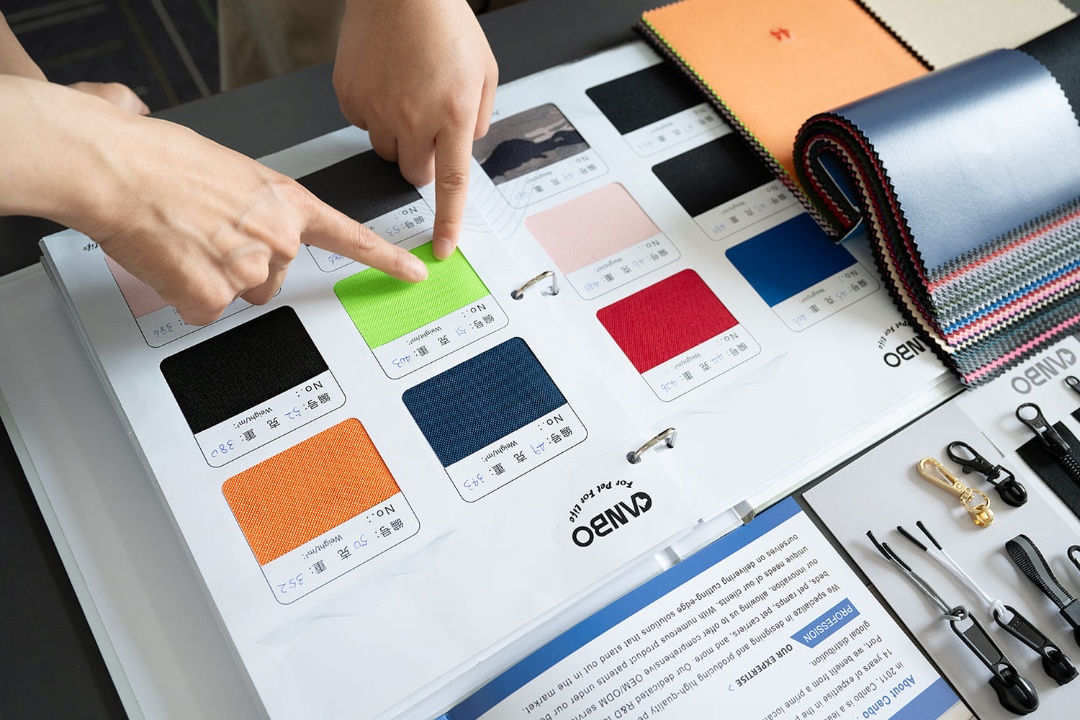
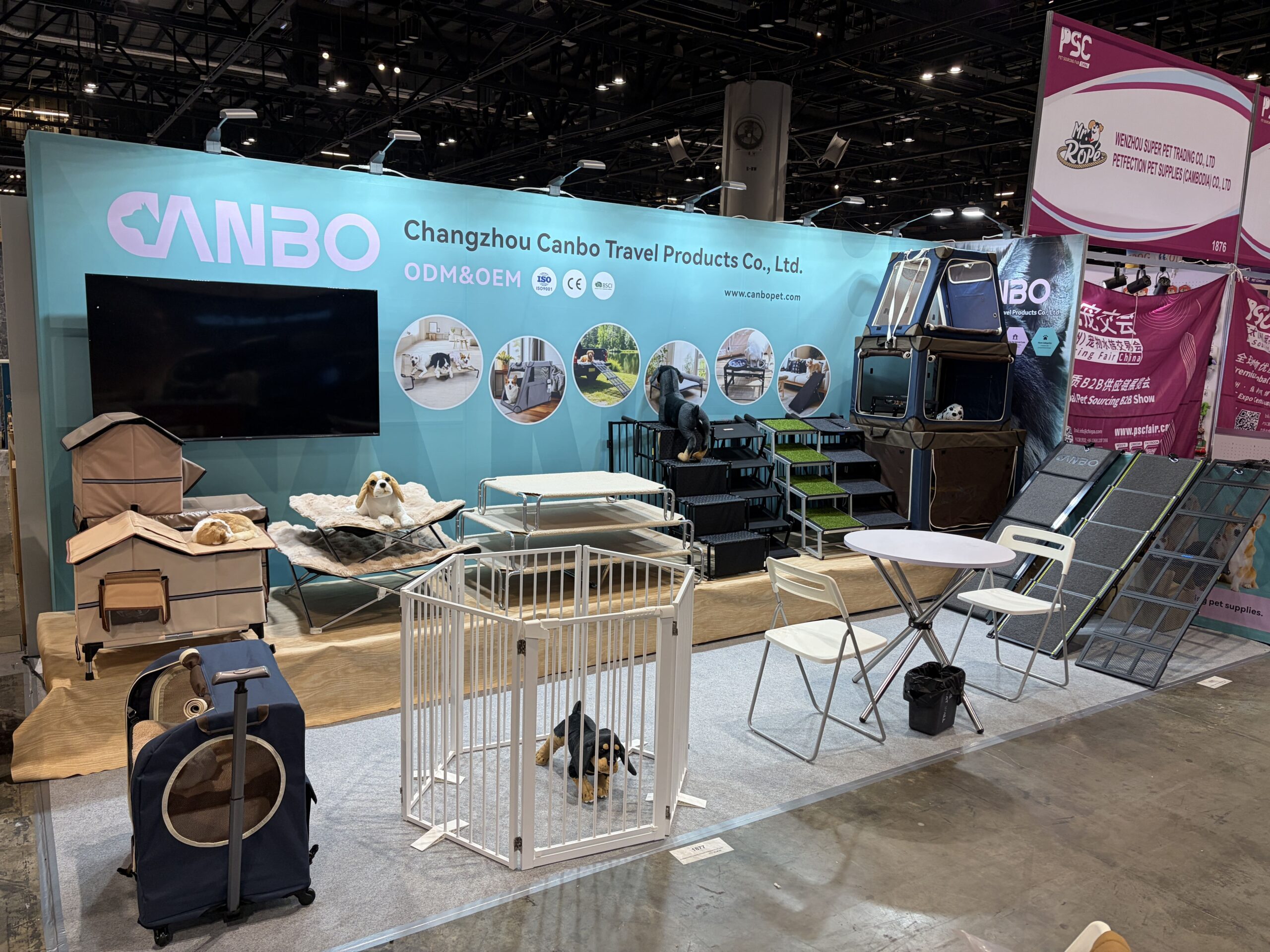
Trong các cụm chuyên môn của ngành hàng thú cưng, một số nhà máy đã đi vào hoạt động ổn định đã đạt được trình độ năng lực này: chỉ trong một cơ sở duy nhất, họ có thể thực hiện cả việc gia công kim loại nhẹ cần thiết cho giường chó có thể gập lại lẫn việc hàn khung chịu lực cao cần thiết cho giường chó nâng cao có kết cấu cố định. Khả năng sản xuất đa dạng này giúp các thương hiệu ở khâu hạ nguồn thống nhất việc kiểm soát chất lượng, hợp nhất các lô hàng và đơn giản hóa các thủ tục cấp phép bằng sáng chế — từ đó giảm đáng kể chi phí quản lý liên quan đến việc mua sắm đa danh mục.
Về các chứng nhận, các nhà máy sản xuất giường cho thú cưng có khả năng cung cấp báo cáo kiểm toán trách nhiệm xã hội và chứng nhận hệ thống quản lý chất lượng — cũng như những nhà máy có sản phẩm mang các dấu hiệu tuân thủ cần thiết cho các thị trường mục tiêu — ngày càng được các siêu thị, đại siêu thị và nền tảng thương mại điện tử lớn của phương Tây ưa chuộng. Hơn nữa, việc sở hữu bằng sáng chế thiết kế tại các thị trường mục tiêu — đặc biệt là đối với những kiểu dáng rất độc đáo như giường cho chó ngoài trời có mái che hoặc giường làm mát nâng cao — đã trở thành một yếu tố quan trọng mà các thương hiệu cân nhắc khi lựa chọn đối tác lâu dài cho các dòng sản phẩm giường cho chó mang nhãn hiệu riêng (Private Label) của họ.
Do đó, nếu quý vị hiện đang chuẩn bị tái cơ cấu danh mục sản phẩm giường cho chó cao cấp, việc lựa chọn một đối tác thượng nguồn có khả năng đồng thời đáp ứng nguồn cung với khối lượng lớn, thực hiện các giải pháp tùy chỉnh theo mô hình OEM/ODM, đồng thời duy trì danh mục bằng sáng chế chiến lược trong các danh mục sản phẩm cốt lõi sẽ trực tiếp quyết định độ đa dạng của dòng sản phẩm cũng như khả năng chống chọi với rủi ro thị trường ở cấp độ người tiêu dùng.
Hãy lấy Công ty TNHH Sản phẩm Du lịch Changzhou Canbo làm ví dụ; công ty này là một mô hình điển hình của đối tác chuỗi cung ứng như vậy. Dù là giường cho chó có thể gập lại được hay các mẫu giường có khung cố định, công ty đều sở hữu danh mục bằng sáng chế toàn diện, bao phủ cả thị trường châu Âu và Bắc Mỹ. Công ty có đủ năng lực để hỗ trợ các khách hàng bán buôn trong lĩnh vực giường cho thú cưng bằng cách lên ý tưởng và cung cấp các giải pháp danh mục sản phẩm tùy chỉnh, phù hợp với các tình huống sử dụng cụ thể.