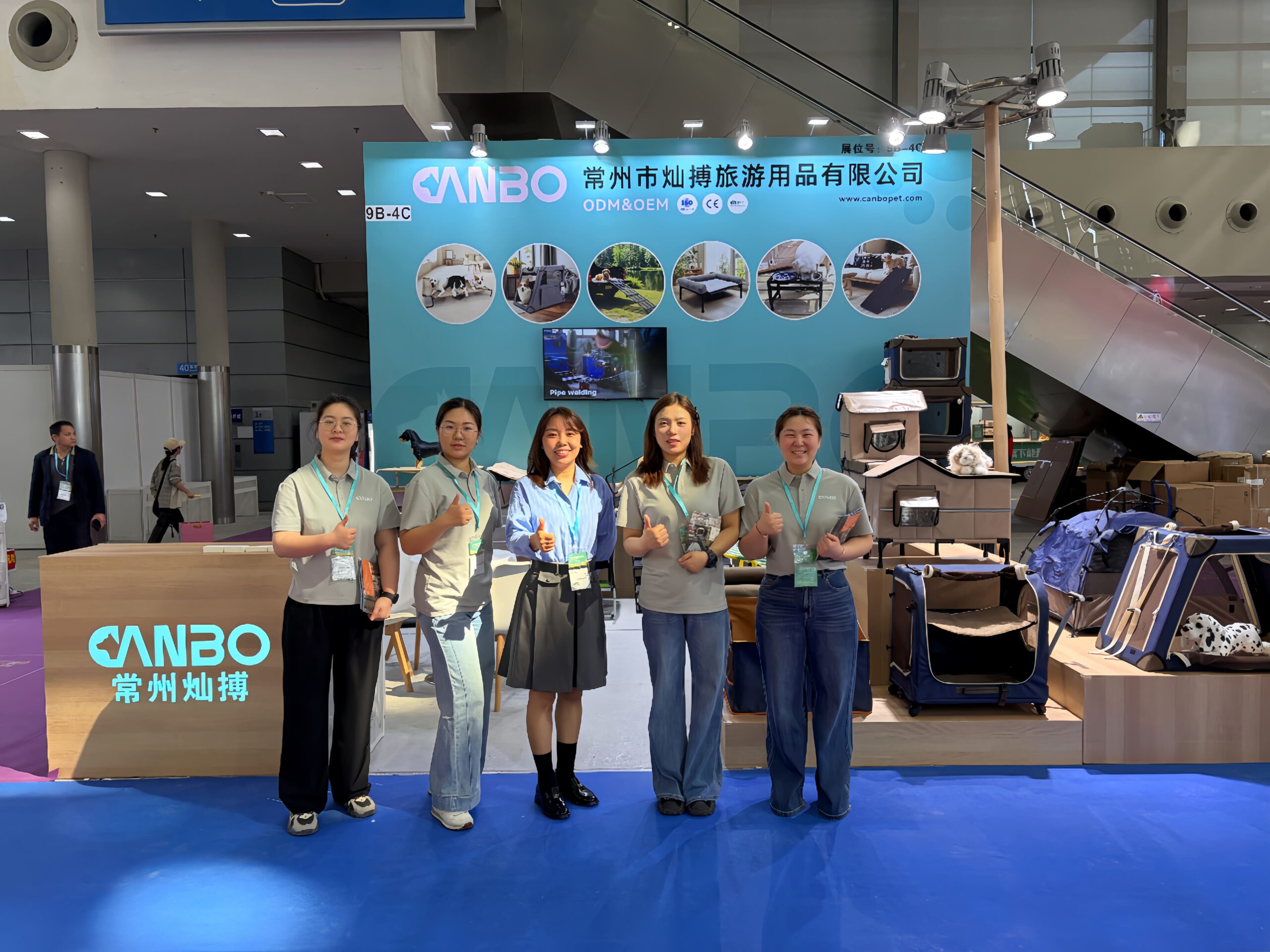
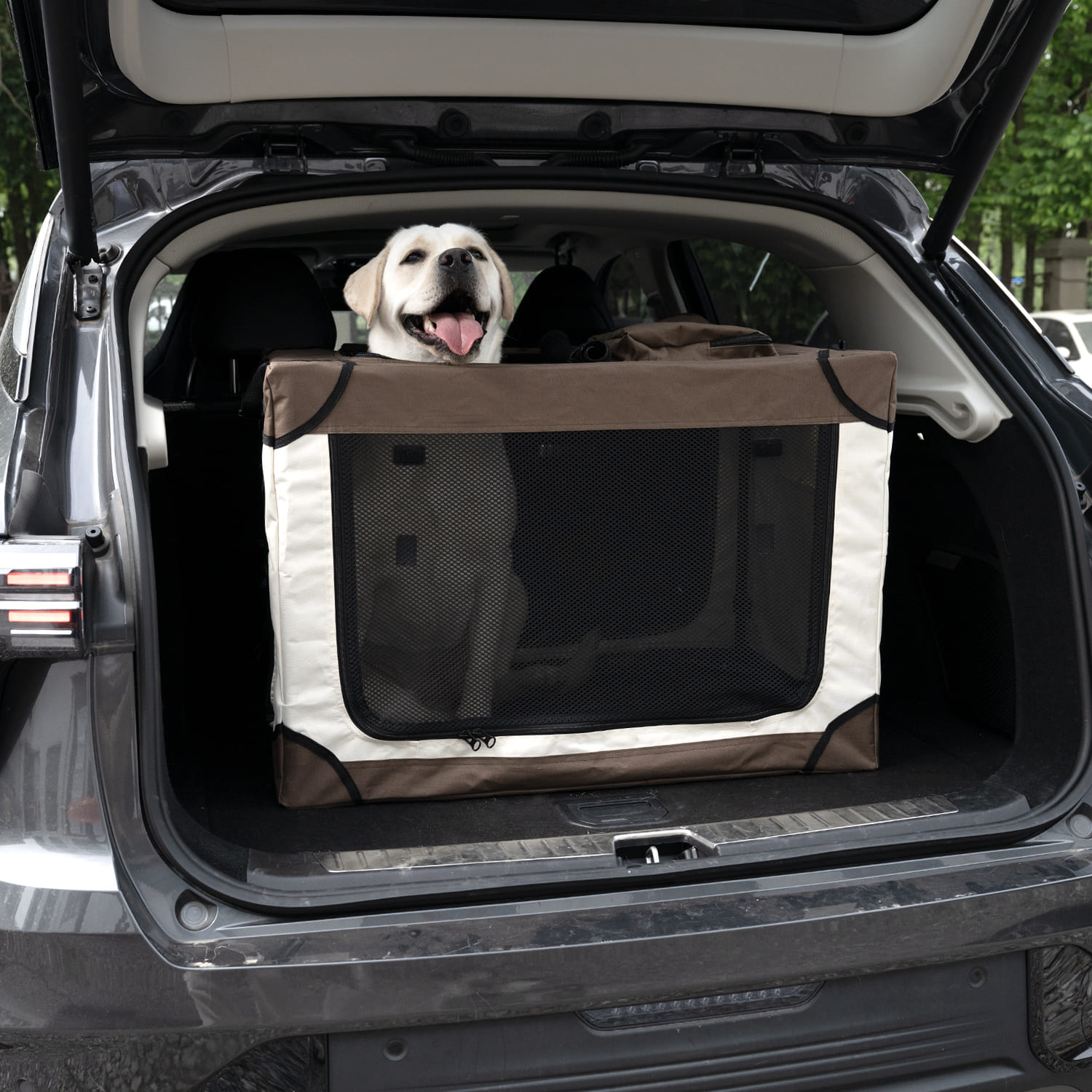
Core logic: Production strength determines the lower limit of the product, and the quality control system determines the upper limit of the product.
The production of pet food products should comply with GMP certification requirements, and the workshop must have strict hygiene management and control procedures to prevent any source of contamination.
Workshop and equipment
Production environment management: The workshop should have strict hygiene management and control procedures to ensure that there are no pollution sources, especially to prevent dust, chemicals, and unqualified materials from polluting. Especially for pet bed products, the temperature and humidity control and ventilation system of the production workshop are very important to avoid deformation or moisture of raw materials.
Equipment inspection and maintenance: The equipment of the OEM factory must be regularly inspected and maintained to ensure that the quality of the product will not be affected by equipment failure during the production process. Especially for large products such as pet beds and bags, the equipment needs to be accurate enough to avoid problems such as loose sewing and loose seams.
Material inspection: For pet products, material selection is particularly critical. All raw materials used, such as fabrics, fillings, zippers, fasteners, etc., must be strictly inspected during the production process to ensure that they are non-toxic, harmless, and suitable for pets. In particular, the fabrics of pet beds and pet bags must be wear-resistant, breathable, and easy to clean.
Quality control system
Quality inspection process:
| stage |
Test content |
Tools/Methods |
| Incoming material inspection |
Raw material composition and safety |
Tensile testing machine, chemical analyzer, softness tester |
| Process Inspection |
Key process parameters (such as stitching accuracy and filling uniformity) |
Process record sheet, SPC statistical process control |
| Finished product inspection |
Durability, cosmetic defects, comfort |
Aging test bench, tear tester, and manual visual inspection |
Industry yield benchmark reference:
- Pet beds and household items: ≤ 1 % (such as uneven seams, clogged zippers, uneven filling, etc. );
- Pet bags and accessories: ≤ 1.5 % (such as loose stitching, damaged accessories, etc. );
- Pet care products: ≤2% (such as metal fasteners that are not firm or materials that wear out too quickly ).
Technical Reserve
In order to ensure the quality and innovation of pet products, the technical reserves of the OEM factory are also an important consideration when selecting a factory:
R&D investment:
- Whether a dedicated R&D department has been established to focus on the design optimization and material innovation of pet products (such as comfort testing of pet mattresses, improving the portability and durability of luggage, etc.).
- Whether it has a certain number of patented technologies (for example, a certain OEM factory has improved the comfort of pet beds by relying on patented design optimization technology and has obtained orders from multiple brands).
- Innovative design :
OEM factories should have innovation capabilities and be able to design products and improve functions (such as adjustable pet beds, easy-to-wash pet products, etc.) based on market trends and the needs of pet owners.



 English
  Español
 Français
 Deutsch
 Italiano
 Русский
 日本語
日本語
 한국어
한국어
 العربية
 Türkçe
 Polski
 Nederlands
 Português do Brasil
 English (UK)
 Tiếng Việt
 ไทย
ไทย
 Svenska