Share

How to choose a high-quality pet product OEM factory?

istockphoto 1425618089 612x612 (1)

Compliance qualifications: the bottom line of cooperation and risk firewall

For pet product OEM factories, the quality and safety of products are directly related to the health of pets and the reputation of the brand. In addition to regular industry certifications, OEM factories in the pet industry need to pay special attention to these.

Basic production qualifications

Required items to be checked:

  • Business license (registered capital and years of establishment reflect stability);
  • Industry production license;
  • Exporting enterprises must have customs registration and foreign exchange management qualifications.
  • Industry-specificcertification:
industry Key certification effect
Pet Industry ISO 9001 (quality), ISO 22000 (food safety management), GMP, HACCP, FDA (USA), BRC, CFDA (China) Ensure the quality and safety of pet food and products to meet international market access requirements

Social Responsibility Factory Audit

Audit report: OEM factories are required to provide a third-party audit report (such as SGS, Intertek) in the past year, focusing on:

  • SA8000: whether child labor is prohibited and whether minimum wages and working hours are guaranteed for workers;
  •  C-TPAT (Counter-Terrorism Inspection): Check whether warehouse security and shipping procedures are standardized to avoid the risk of goods being detained by US customs.
  • Potential risks: If there are labor disputes in the OEM factories, they may be blacklisted by international brands (such as the “human rights audit” of Apple’s supply chain).

Legal and insurance protection

Of the contract:

  • Confidentiality Agreement (NDA): prevents the leakage of commercial secrets such as design drawings and formulas;
  • Ownership of intellectual property rights: Under the ODM model, the ownership of design patents must be clearly defined.
  • Quality dispute clause: Agree on a third-party re-inspection agency (such as China Certification and Inspection Group).
  • Insurance coverage: Confirm that the OEM has purchased product liability insurance to transfer the risk of consumer claims.

Production strength: full chain control from workshop to quality inspection

Core logic: Production strength determines the lower limit of the product, and the quality control system determines the upper limit of the product.

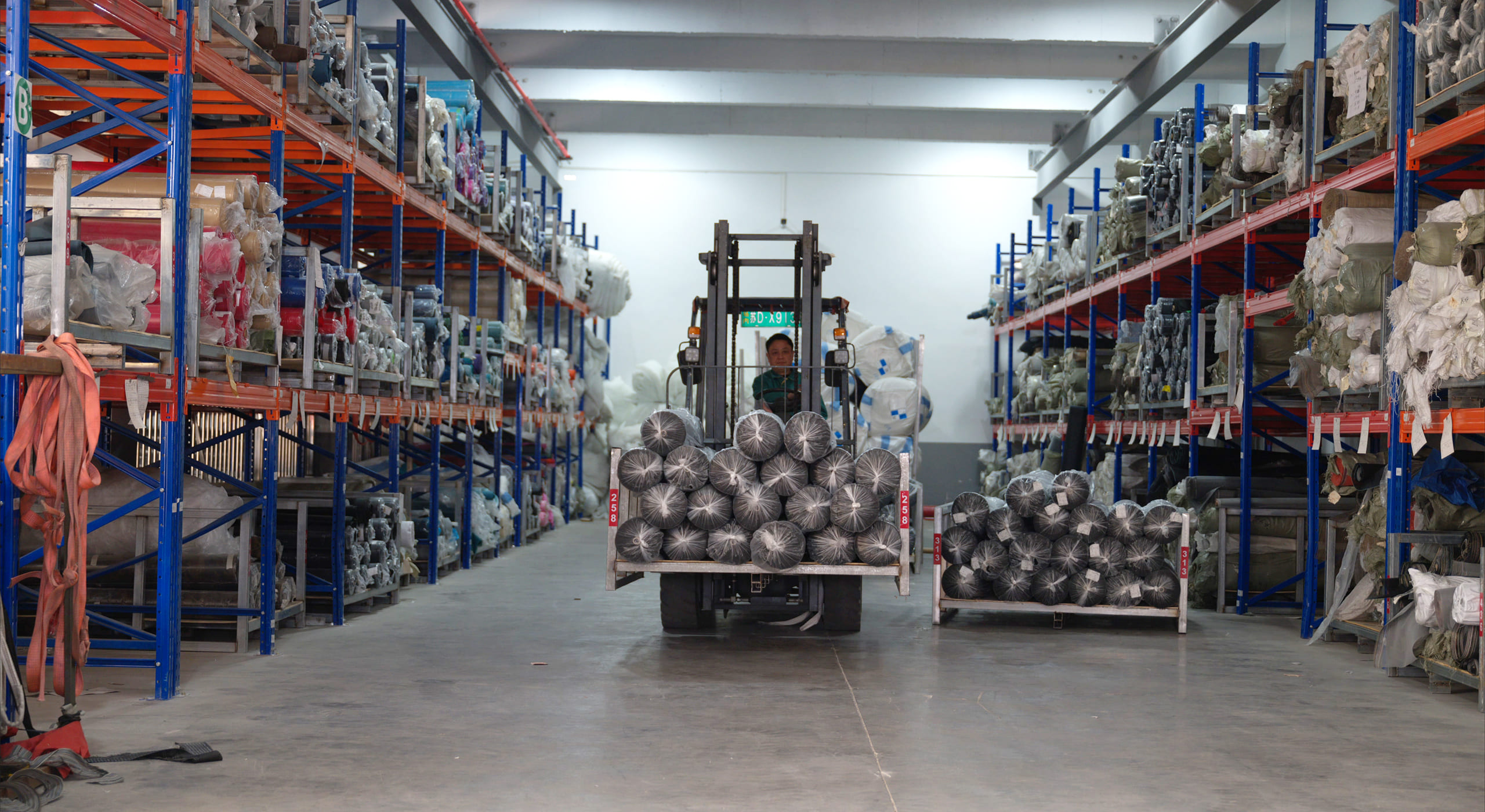
The production of pet food products should comply with GMP certification requirements, and the workshop must have strict hygiene management and control procedures to prevent any source of contamination.

Workshop and equipment

Production environment management: The workshop should have strict hygiene management and control procedures to ensure that there are no pollution sources, especially to prevent dust, chemicals, and unqualified materials from polluting. Especially for pet bed products, the temperature and humidity control and ventilation system of the production workshop are very important to avoid deformation or moisture of raw materials.

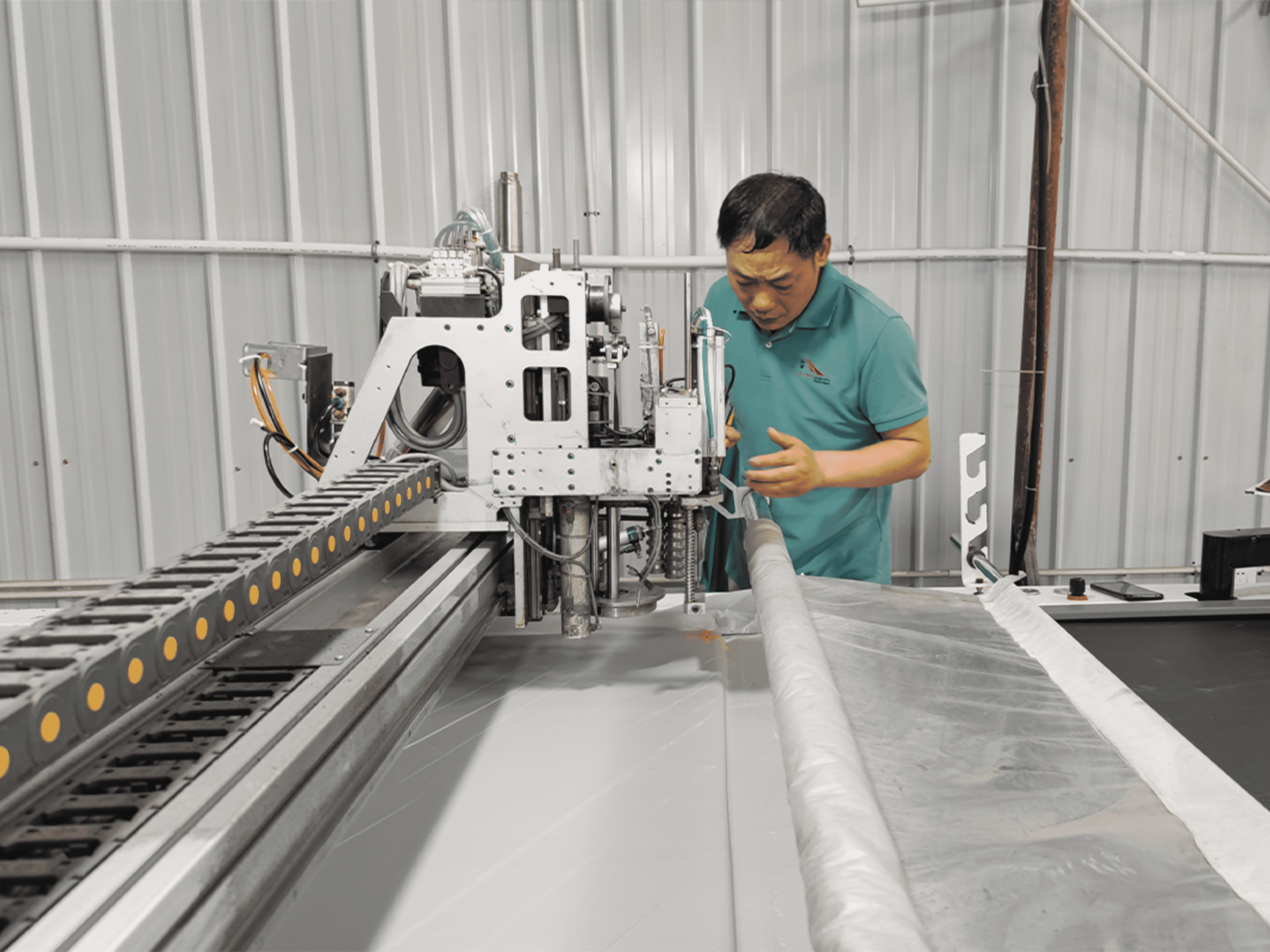
Equipment inspection and maintenance: The equipment of the OEM factory must be regularly inspected and maintained to ensure that the quality of the product will not be affected by equipment failure during the production process. Especially for large products such as pet beds and bags, the equipment needs to be accurate enough to avoid problems such as loose sewing and loose seams.

Material inspection: For pet products, material selection is particularly critical. All raw materials used, such as fabrics, fillings, zippers, fasteners, etc., must be strictly inspected during the production process to ensure that they are non-toxic, harmless, and suitable for pets. In particular, the fabrics of pet beds and pet bags must be wear-resistant, breathable, and easy to clean.

Quality control system

Quality inspection process:

stage Test content Tools/Methods
Incoming material inspection Raw material composition and safety Tensile testing machine, chemical analyzer, softness tester
Process Inspection Key process parameters (such as stitching accuracy and filling uniformity) Process record sheet, SPC statistical process control
Finished product inspection Durability, cosmetic defects, comfort Aging test bench, tear tester, and manual visual inspection

Industry yield benchmark reference:

  • Pet beds and household items: ≤ 1 % (such as uneven seams, clogged zippers, uneven filling, etc. );
  • Pet bags and accessories: ≤ 1.5 % (such as loose stitching, damaged accessories, etc. );
  • Pet care products: ≤2% (such as metal fasteners that are not firm or materials that wear out too quickly ).

Technical Reserve

In order to ensure the quality and innovation of pet products, the technical reserves of the OEM factory are also an important consideration when selecting a factory:

R&D investment:

  •  Whether a dedicated R&D department has been established to focus on the design optimization and material innovation of pet products (such as comfort testing of pet mattresses, improving the portability and durability of luggage, etc.).
  •  Whether it has a certain number of patented technologies (for example, a certain OEM factory has improved the comfort of pet beds by relying on patented design optimization technology and has obtained orders from multiple brands).
  • Innovative design :

OEM factories should have innovation capabilities and be able to design products and improve functions (such as adjustable pet beds, easy-to-wash pet products, etc.) based on market trends and the needs of pet owners.

Capacity and delivery: supply chain "elasticity" and "certainty"

In the field of pet products, the production capacity and delivery guarantee of OEM factories are crucial, especially when demand fluctuates greatly.

Capacity Assessment

For pet supplies, OEM factories should have a certain degree of production capacity flexibility to cope with peak demand during holidays or special promotional seasons and avoid the risk of inventory shortages or production delays.

Delivery Guarantee

The delivery of pet products needs to ensure sufficient production capacity, especially when seasonal demand surges. The OEM factory should be able to deliver on time to ensure that the products enter the market in a timely manner. In addition, the delivery cycle should be clearly stated in the contract, and corresponding penalty clauses should be set.

Cost structure: penetrating the "invisible trap" of the quotation

The production cost of pet products involves aspects such as raw material procurement, labor costs, and equipment depreciation. In the quotation process, in addition to the clear production costs, some potential additional costs should also be paid attention to.

Quote breakdown

For the production of pet products (such as mattresses, bags, etc.), raw material costs usually account for a large proportion, especially for the selection of high-quality materials (such as memory foam, antibacterial fabrics, etc.). It is necessary to confirm the specific costs of these raw materials.

MOQ Strategy

Small batch production: For the first cooperation, the recommended order quantity is 20%~30% of MOQ (e.g., MOQ is 1000 pieces, the first order is 200 pieces)

Flexible negotiation: For first-time OEMs, you can reduce risks by producing in small batches. Especially when testing the market for the first time, it is recommended that the order quantity does not exceed 30% of the MOQ, and that the cooperation volume is gradually increased.

Industry reputation: invisible “trust asset”

In the field of pet supplies, customer trust and reputation are often conveyed through the brand’s history and quality certification.

Customer background check

Verification method: When selecting a foundry, especially for products such as pet beds, bags, ramps, etc., you can ask the foundry to provide cooperation cases with well-known brands to verify its production capacity and quality level.

Negative information screening

You can determine whether the OEM factory meets the brand’s requirements by checking its industry reputation, feedback from cooperating brands, and whether there are any quality complaints.

Collaboration Capability: From “Party A and Party B” to “Strategic Partner”

A high-quality OEM factory is not only a production partner, but also the “behind-the-scenes driving force” of brand success. Especially in the pet products industry, the OEM factory’s innovation ability and response speed are particularly important.

Response efficiency and value-added services

Pet product OEM factories should have the ability to respond quickly and handle orders and delivery requirements in a timely manner. In addition, OEM factories should be able to provide value-added services, such as product design optimization and material selection suggestions, to help brands improve the competitiveness of their products.

Design and logistics support

Some OEM factories can also provide product design support, such as optimizing the structural design of pet beds, improving the comfort of bags, etc. In addition, for pet products sold on cross-border e-commerce platforms, OEM factories can provide overseas warehousing and drop shipping services to help brands better enter the international market.

Contact Us

We look forward to hearing from you

en_USEnglish