
Share

How to test the safety of your pet’s carrier at home? 5 easy steps

pet carrier foldable

Step 1: Structural stability test

Test method:
Place the pet bag on a flat surface, apply pressure to the top and sides with both hands and observe whether the overall structure is obviously deformed or unevenly supported.

Key points to check:

  • The zipper is smooth and not stuck?
  • The rod or internal plate is loose or out of the groove
  • Whether the inclusion body has a local soft collapse phenomenon
  • Is there any abnormal noise or pulling of the seams when the handle is shaken?

Canbo Tips: Structural stability is the foundation of the entire safety, and any “feeling of collapse” means potential risks.

Step 2: Platform stability test

Test method:
Place the pet bag in a common usage scenario (such as the ground, car seat, sofa or grass), simulate the pet’s movements such as jumping up and down or rolling sideways, and shake it gently with both hands to test its structural stability and center of gravity feedback.

Focus:

  • Is the bottom of the bag firmly attached to the ground and not easy to slide?
  • The frame is slightly shaking, tilted, or partially hanging?
  • Whether it has sufficient anti-rollover capability

Canbo promises:
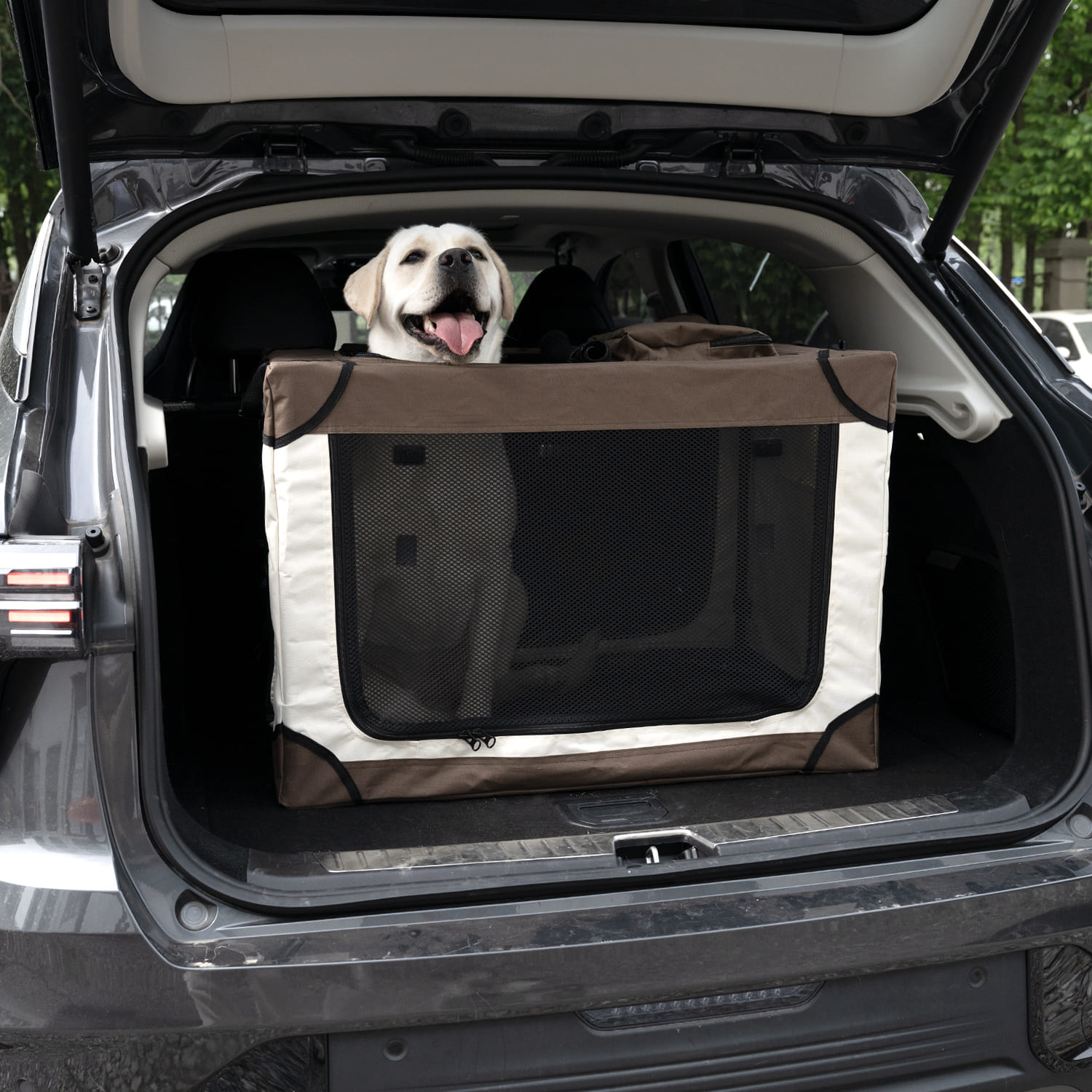
Our pet bag adopts a widened and reinforced structure with a stable bottom support, which is suitable for a variety of usage environments (ground/inside the car/outdoor grass). Even if the pet is active, the platform can remain stable to avoid tipping and sliding.

Step 3: Air permeability and temperature test

Test method:
After closing the zipper, put a mobile phone (with a temperature monitoring app installed) or a thermometer into the bag, let it sit for 5-10 minutes, and then observe the changes in internal temperature and humidity.

Judging criteria:

  • If the temperature rises significantly, it means that the design of the breathable mesh may be unreasonable
  • If the interior is stuffy and humid, there may be insufficient air convection, or the material may not be breathable.

Additional checks:

  • Check whether the mesh is damaged or has closed corners
  • Is the distribution of ventilation areas reasonable?

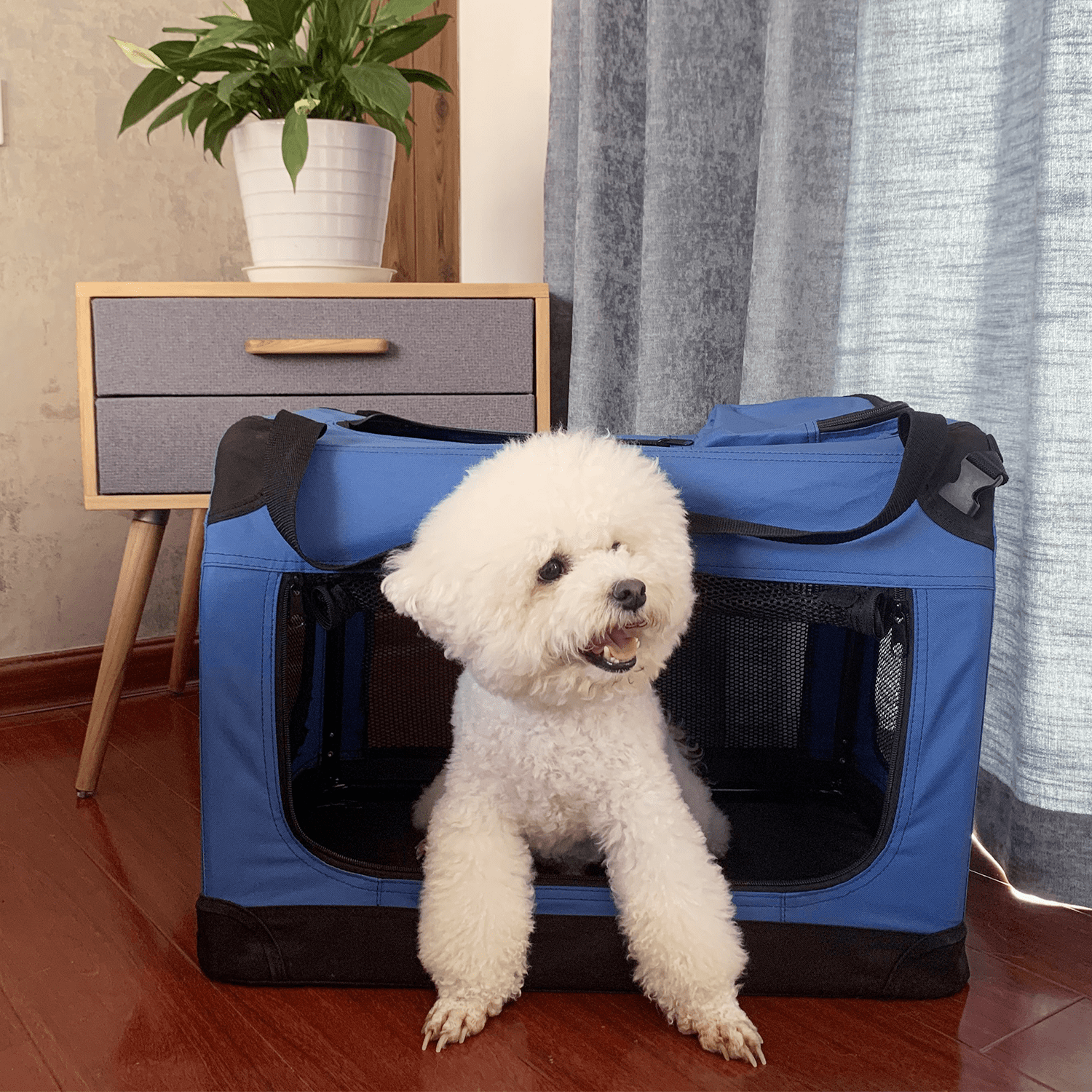
Canbo advantages: Multi-sided breathable mesh + through-type opening design, suitable for all seasons, especially for summer and long-distance travel.

Step 4: Safety buckle test

Test method:
Repeatedly plug and unplug various hardware, such as safety buckles, D-rings, zipper locks, etc., to check flexibility and durability.

Key points to check:

  • Is the buckle easy to get stuck or too loose?
  • Whether the plugging and unplugging are smooth,h and whether there is hair stuck
  • Can it be operated quickly with one hand in an emergency?

Canbo test standard: The buckles we use are designed with both ease of use and durability in mind. They can remain in good condition even with frequent daily operations, reducing the risk of getting stuck or loosening.

Step 5: Pet fitness simulation

Test method:
Let the pet voluntarily enter the pet bag and stay there for 5-10 minutes, and observe its behavioral response.

Observation Dimension:

  • Do you feel anxious?
  • Can you turn around easily?
  • The user frequently attempts to escape from the package

Canbo Recommendation: If your pet strongly resists entering, it may be because the bag has poor air permeability, insufficient internal space, or the material has an odor.

Canbo recommends: Safety is not an option, it is standard

Every test is a manifestation of responsibility for pets. Before Canbo’s pet bag products are launched on the market, they will undergo dozens of rounds of structural load-bearing tests, hardware durability tests, and real pet trial feedback to ensure a safe experience for pets and owners during actual travel.

If you find any problems when performing the above 5-step test, or still have concerns about the existing pet bag, please contact us to learn more about Canbo’s high-safety pet travel equipment.

Safety is our solemn promise to every furry child.

Contact Us

We look forward to hearing from you

en_USEnglish