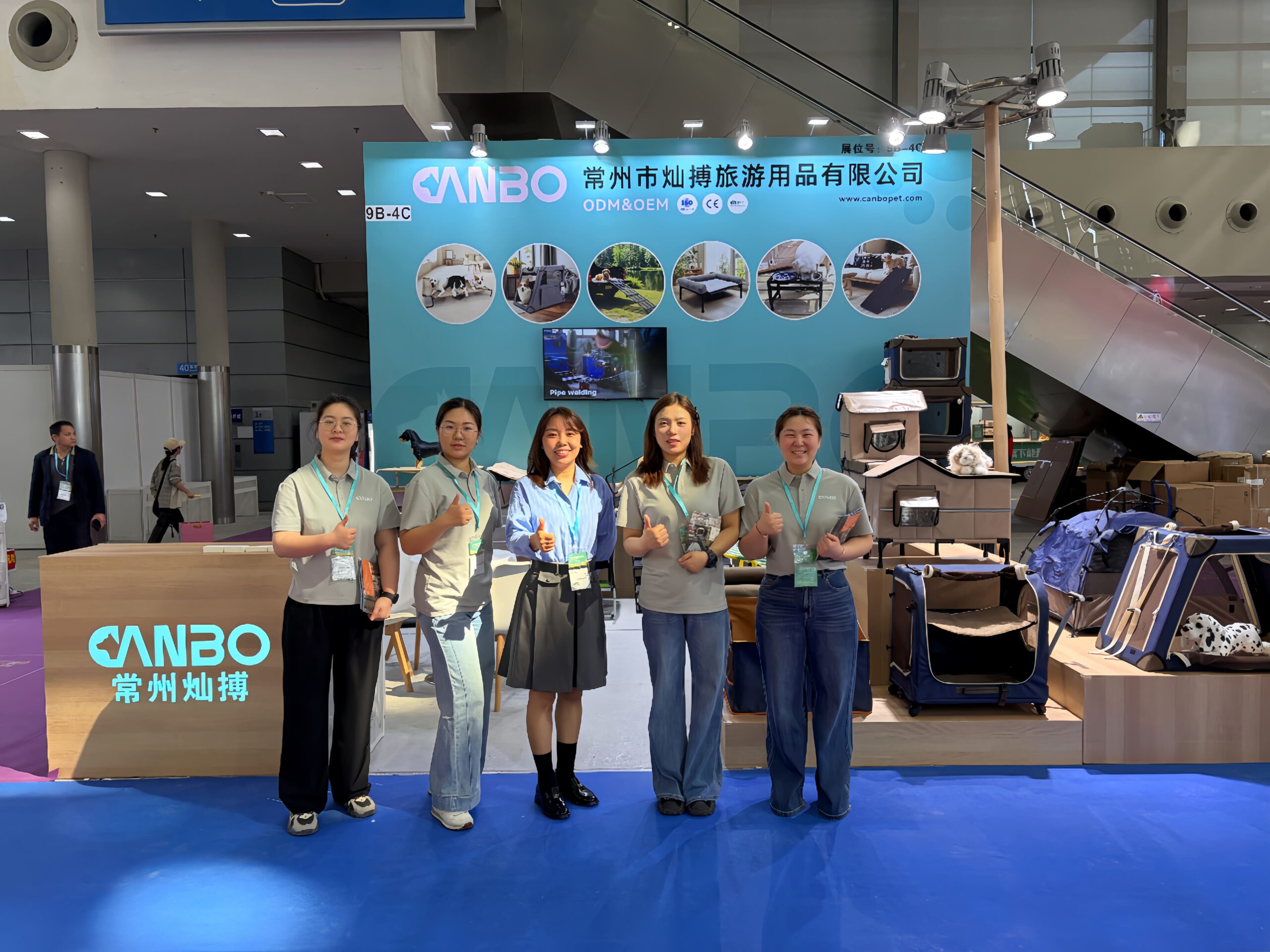
When people talk about global manufacturing, they often picture big names or large-scale OEM factories. But in our experience—especially over the past few years—it’s actually the smaller, specialized players that are holding the supply chain together. I first came across the term “hidden champions” from Hermann Simon, a German management thinker. It refers to those quiet but powerful companies that dominate niche sectors. These firms aren’t running flashy ads or chasing headlines—they’re too busy solving real problems with strong know-how and close industry ties.
In China, we’ve seen a wave of such companies emerge. For example, in categories like pet products, home furnishings, and outdoor gear, a growing number of factories have moved past pure production and begun shaping product innovation and customer experience. It’s no surprise that more overseas buyers are starting to notice.
One thing we’ve come to rely on in China’s manufacturing scene is just how fast things can move, especially when you’re working with the right partners. In places like Yiwu (known for pet product manufacturing) or Dongguan (a hardware hub), entire clusters of suppliers, logistics providers, and materials vendors operate within arm’s reach of each other.
At our own facility, for example, a customer can go from sharing a rough idea to holding a working prototype in under a week. We’ve done this many times—starting from sketches, making samples, getting feedback, and turning it into small-batch production before the competitor even finishes their sourcing. That kind of speed doesn’t come from luck; it comes from a system that’s built for agility.
Other countries like Vietnam and India have competitive labor costs, yes, but when it comes to tight scheduling, real-time material sourcing, or last-minute tweaks, they often struggle. In contrast, China’s manufacturing base has spent decades building an ecosystem where coordination happens almost instinctively. That’s the real reason we’ve stayed ahead.
For years, “Made in China” was too often misunderstood—some thought it meant fast and cheap, but not necessarily thoughtful or refined. But if you’ve worked with today’s small and mid-sized Chinese manufacturers, you’ll see how much that’s changed.
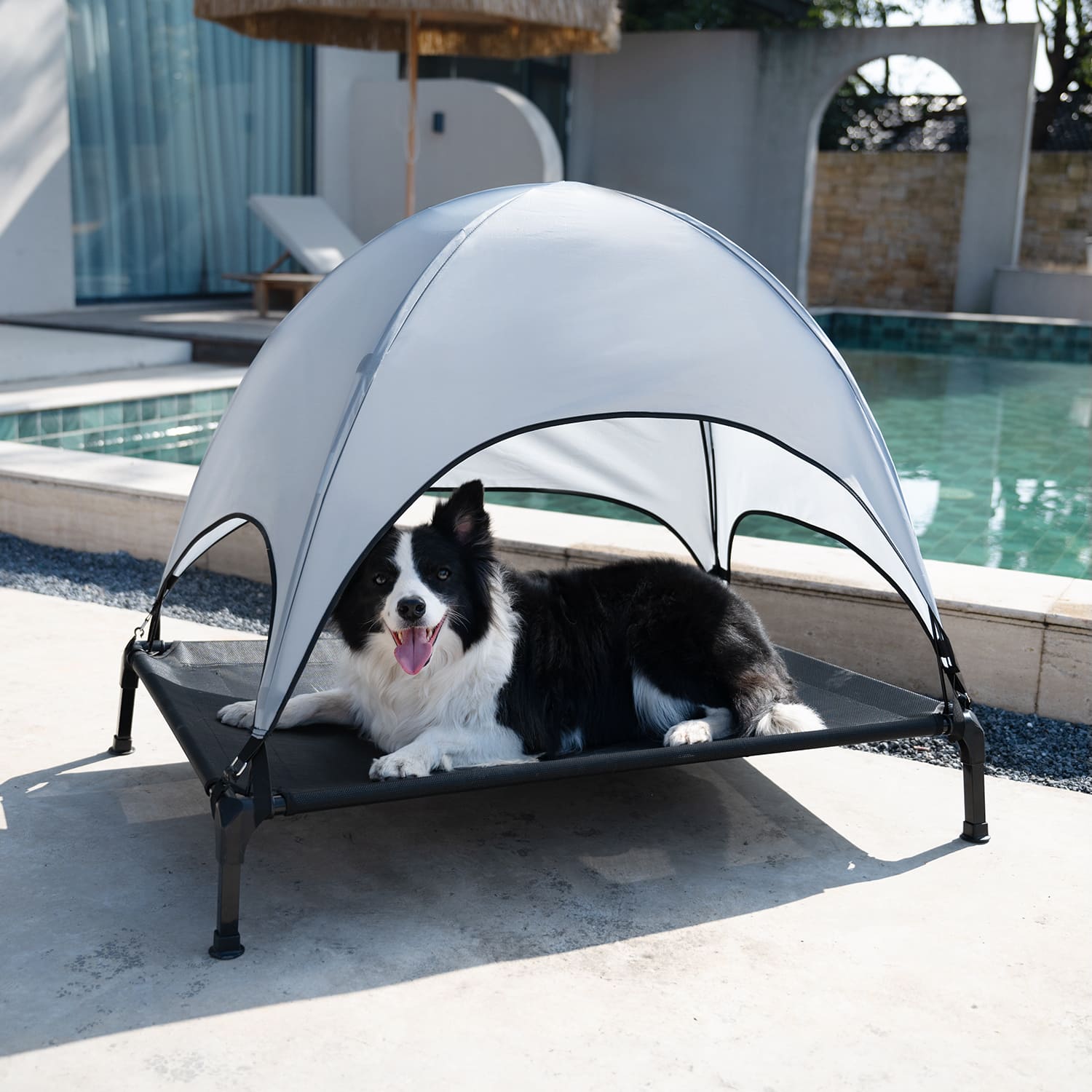
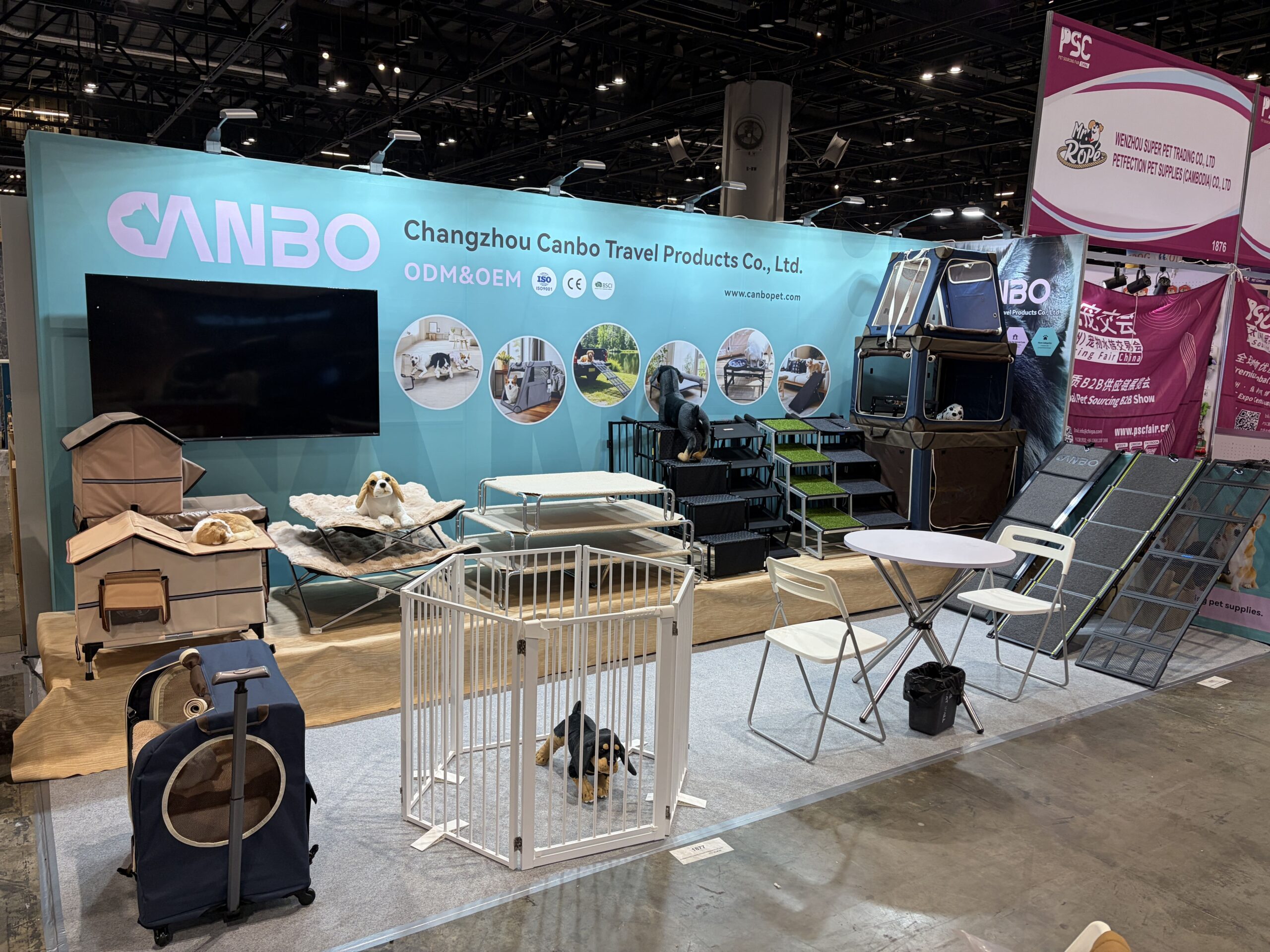
Take our team, for instance. We don’t just make generic pet products—we focus on how the product will be used in the real world. Whether it’s a foldable pet bed, a travel ramp, or a soft-sided carrier, we think about who’s using it, how they’re using it, and how to make that experience smoother. For elderly pets, portability and structure really matter, so we pay special attention to folding mechanisms and material weight right from the design phase.
Over time, we’ve stopped thinking of ourselves as just a factory. Now, we co-create with our customers. The design starts with their market insight, and we bring that to life with hands-on experience and fast, testable prototypes. That’s what sets apart China’s “hidden champions”—they listen first, then build with precision.
These days, more and more overseas brands—especially those selling on Amazon or running niche DTC stores—aren’t going through big trading companies anymore. They want to work directly with the people who actually make the product. And in China, that often means turning to “hidden champion” factories that combine flexibility, product know-how, and fast communication.
We’ve seen this firsthand. Customers now expect us to do more than just produce—they want help shaping the product itself. That’s where strong ODM capabilities come in. From rough sketches to functional samples, from test batches to final QA, we’re able to handle the entire process smoothly.
Just as important, we’ve already gone through certifications like BSCI, REACH, and CPSIA, which means new clients don’t have to worry about compliance headaches. Our team also includes multilingual staff, which makes cross-border communication easier and faster.
Whether you’re ordering 500 units or 50,000, we adjust accordingly. That kind of flexibility builds trust—and in today’s unpredictable world, trust is everything.
Not long ago, Chinese factories were mostly seen as silent partners—handling production behind the scenes while others made the decisions up front. But that’s changing fast. Today, many of us are actively involved in shaping the products before they’re even finalized.
For example, we sit down with our clients regularly—sometimes every quarter—to go over market trends we’re seeing on the ground. Maybe it’s a rise in demand for pet carriers with cooling materials or folding ramps designed for aging dogs. We bring those insights into the early design process, offering input on materials, usability, and packaging that fits the customer’s branding.
Beyond just “making things,” we’ve started helping with go-to-market strategies, logistics planning, and even small-batch testing for new launches. This kind of hands-on, end-to-end collaboration is what separates traditional factories from what we’re becoming—a solution partner that really gets the user and the supply chain. That’s how we stay relevant and ahead.
The global supply chain has shifted. It’s no longer just about mass production and lowest cost—it’s about flexibility, speed, and the ability to adapt. That’s where small, focused manufacturers are stepping in and making a real difference.
In China, the infrastructure to support this kind of agility is already in place. Over the years, we’ve seen hundreds of niche-oriented factories rise up—not just because they could make things, but because they understood their customers, innovated fast, and cared about service.
We’ve had clients come to us frustrated after working with bigger vendors that couldn’t move fast or make small changes. What they find instead is a partner who’s ready to test, pivot, and grow with them. And that’s really the future—less about scale, more about responsiveness.
The companies that thrive now aren’t always the loudest or biggest. They’re the ones quietly doing great work, day after day. The ones who see themselves not just as suppliers, but as part of their client’s long-term story. That’s who we aim to be.